
Commercial Flooring Trends for 2026
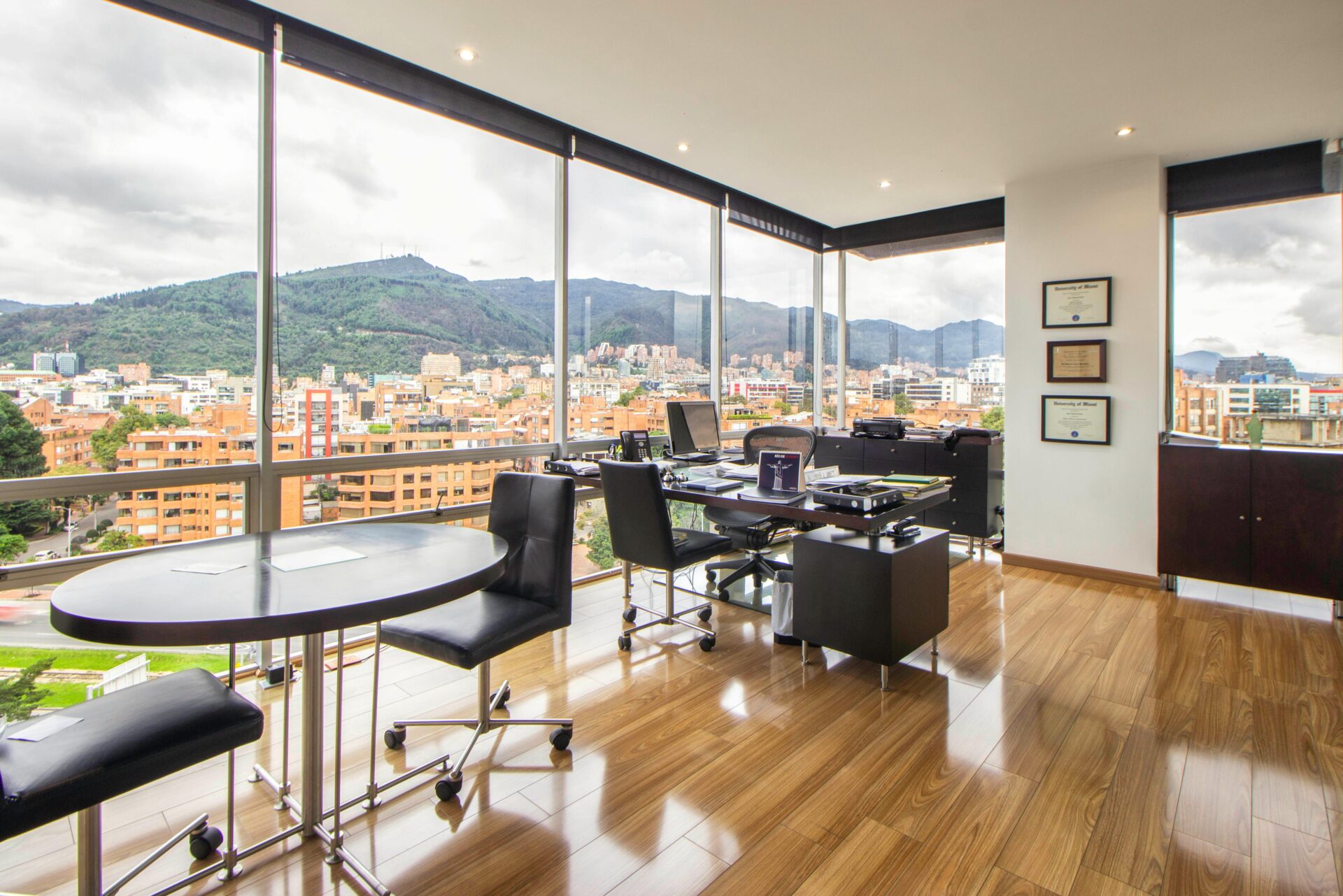
The world of commercial flooring is changing fast. As workplaces, retail spaces, hotels, healthcare facilities, and public areas evolve, the requirements for flooring are also shifting. In 2026, the focus is no longer just on looks — it is on performance, sustainability, cost-effectiveness, durability, and comfort.
At Cipl Group, we work closely with architects, designers, and contractors on real projects every day. This gives us a front-row view of the problems teams are facing — and the solutions that truly work.
Let’s explore key commercial flooring trends for 2026 in simple language, with a problem-solving approach.
Table of Contents
1. Problem: Flooring That Wears Out Too Fast
Many commercial spaces experience heavy foot traffic — entrances, lobbies, corridors, cafeterias. Traditional flooring often shows wear and tear within a few years, leading to replacements, safety risks, and budget strains.
2026 Trend: High-Performance, Long-Lasting Materials
In 2026, commercial spaces are choosing flooring that can withstand heavy daily use. This includes:
- Carpet tiles that resist crushing and stains
- Luxury vinyl tiles (LVT) with strong wear layers
- Rubber flooring for safety and durability
- High-density modular flooring for offices and retail
These materials are not just tough — they maintain their appearance over time. For businesses, this means lower maintenance costs and fewer disruptions.
2. Problem: Floors That Are Hard to Maintain
Frequent cleaning, harsh chemicals, frequent replacements — these are common flooring issues that increase operating costs.
2026 Trend: Easy-Care & Hygiene-Friendly Surfaces
Post-pandemic, hygiene is still a priority. Facilities want floors that are:
- Easy to clean
- Resistant to bacteria and mould
- Compatible with regular disinfecting
- Quick to dry after cleaning
This trend is especially important in:
- Healthcare facilities
- Schools and colleges
- Airports
- Shopping centres
Materials like specialized vinyl, sealed modular carpet, and antimicrobial finishes are becoming standard because they solve real maintenance headaches.
3. Problem: Flooring That Doesn’t Match the Space’s Identity
A hotel lobby needs a different style than an airport lounge or an office corridor. Too many commercial floors still look generic.
2026 Trend: Design-Led Floors — Without Compromise
In 2026, commercial flooring is not just functional — it supports brand identity and experience. Designers are choosing floors that help tell a story:
- Patterns that guide movement
- Colours that reflect brand personality
- Textures that improve comfort and acoustics
This is especially true in retail and hospitality where first impressions matter.
With modern materials like custom carpet tiles and digitally printed vinyl flooring, businesses can deliver design impact without sacrificing performance.
4. Problem: Floors That Are Not Comfortable for People
Standing all day or walking long distances on hard floors can be uncomfortable — especially in workplaces, airports, and retail.
2026 Trend: Comfort & Human-Centric Flooring
People are spending more time inside buildings. Comfort now matters as much as durability. This includes:
- Acoustic flooring to reduce noise
- Cushioned surfaces for standing workstations
- Rubber and resilient floors for gyms and healthcare areas
Comfortable floors help:
- Reduce fatigue
- Improve productivity
- Enhance overall user experience
In 2026, businesses are choosing flooring not just for durability — but for how people feel when walking or standing on it.
5. Problem: Flooring That Ages Poorly With Wear Patterns and Sun Damage
Over time, many floors fade, show patchy wear, or lose their original look. This makes spaces look older than they are.
2026 Trend: UV-Stable, Fade-Resistant Materials
Commercial spaces now demand flooring materials that resist:
- Sunlight fading
- Colour shifts over time
- Wear patterns in busy zones
Products like UV-treated LVT, polyamide carpet fibres, and protective coatings are solving this problem.
For developers and facility managers, this means halls and lobbies that look fresh year after year — without constant repair or replacement.
6. Problem: Sustainability Goals vs. Flooring Reality
Many companies have sustainability commitments — but selecting the right flooring becomes confusing. Not all “green” floors perform well, and many lack clear environmental credentials.
2026 Trend: Truly Sustainable Flooring — Verified & Responsible
Sustainability in commercial flooring now means:
- Recycled or responsibly sourced materials
- Low VOC (Volatile Organic Compound) emissions
- Cradle-to-cradle certifications
- Recyclability at end of life
Spaces like corporate offices, educational campuses, and government buildings are choosing flooring that meets real eco standards, not just marketing terms.
This trend solves two big problems:
- Better indoor air quality
- Lower environmental impact
7. Problem: Long Installation Times Disrupt Operations
Traditional floor installation often requires blocking areas, lengthy closures, and labor-intensive methods. This increases downtime and planning complexity.
2026 Trend: Modular & Quick-Install Flooring
For commercial projects, time is money.
In 2026, trends lean toward flooring systems that:
- Install quickly
- Require minimal adhesives
- Allow partial area upgrades without full closure
Examples include:
- Click-fit luxury vinyl tiles
- Modular carpet tiles
- Loose-lay resilient floors
This reduces closures, improves project scheduling, and keeps occupants productive.
8. Problem: Flooring That Doesn’t Adapt to Changing Spaces
Many commercial spaces today are fluid — they can change layout, function, or purpose over time. Traditional flooring doesn’t adapt easily to these changes.
2026 Trend: Flexible & Reconfigurable Flooring
Spaces like co-working offices, pop-up retail, and event halls need floors that can:
- Be re-used in new layouts
- Move from one location to another
- Be replaced in sections instead of all at once
Modular carpet tiles and loose-lay systems are perfect for this because they don’t lock you into one rigid design.
This trend helps teams:
- Upgrade specific zones
- Avoid unnecessary waste
- Tailor floors to evolving requirements
9. Problem: Poor Acoustic Performance
In busy commercial environments — offices, schools, hospitals — noise can distract people and affect productivity.
2026 Trend: Flooring That Enhances Acoustics
Noise reduction is no longer a secondary consideration. Acoustic flooring solutions are now standard in:
- Open-plan offices
- Conference rooms
- Healthcare waiting areas
- Education spaces
Special underlays, dense carpet fibres, and cushion-backed floors help absorb sound without compromising durability.
This improves comfort, reduces echoes, and enhances the overall user experience.
10. Problem: Value vs. Price — Not Getting What You Pay For
Many flooring options look cheap initially — but end up costing more due to repairs, maintenance, and replacements.
2026 Trend: Value-Driven Flooring
In 2026, smart buyers are moving away from the cheapest option — and choosing value-based flooring.
Value here means:
- Long life
- Low maintenance
- Good appearance retention
- Easy serviceability
- Better total cost of ownership
This shift benefits commercial projects with long timelines and busy usage patterns.
Final Thoughts: What 2026 Really Means for Commercial Flooring
The commercial flooring trends for 2026 are not just about new materials or finishes.
They are about solving real problems:
- Durability that lasts
- Cleanability that improves hygiene
- Custom design without compromise
- Comfort for people who live in built spaces
- Sustainability that is verifiable
- Installation that is fast and flexible
- Value that outperforms price alone
These trends reflect the needs of today’s planners, designers, and facility managers — and they show us what flooring solutions must deliver in the future.
Why This Matters to You
If you are:
- An architect defining spaces
- A contractor managing site challenges
- A developer protecting long-term value
- A facility manager responsible for performance
- A designer crafting unforgettable guest experiences
Understanding 2026 flooring trends helps you make smarter, future-ready decisions.
From the Team at CIPL Group
We remain committed to bringing:
- Reliable flooring solutions
- Products that solve real site problems
- Long-lasting performance
- A partnership approach for your projects
In 2026 and beyond, your floors should work for you, not create extra work.
Because great spaces start from the ground up.
Would you like a downloadable version of this or help choosing the right commercial flooring for your project? Just let us know.
Recommeded Blogs
Sustainable Flooring Solutions for Corporate Projects
In today’s world, sustainability is no longer just a trend—it has become a responsibility. Corporate offices, commercial buildings, and large infrastructure projects are now focusing on eco-friendly solutions that reduce environmental impact while maintaining performance and design quality. One of the most important yet often overlooked elements in sustainable design is flooring. The right flooring choice…
Why Turnkey Interior Material Supply Reduces Project Delays
In today’s fast-moving construction industry, time is money. Every delay in a commercial project means extra cost, stress, and sometimes even loss of reputation. Developers, architects, project managers, and contractors all face one common challenge — project delays due to material supply issues. At Cipl Group, we believe that one of the smartest ways to…
Most Interior Projects Don’t Fail Because of Design. They Fail Because of Delayed Materials
Let’s be honest. In the interior building materials industry, projects rarely suffer because of design issues. They suffer because: And in commercial projects — delay means penalties, pressure, and damage to reputation. This is the exact gap that Ceiling Impex Pvt. Ltd. (CIPL Group) is solving. We are not just another building material supplier. We are…