
The Complete Guide to False Ceilings: Benefits, Materials & Expert Tips
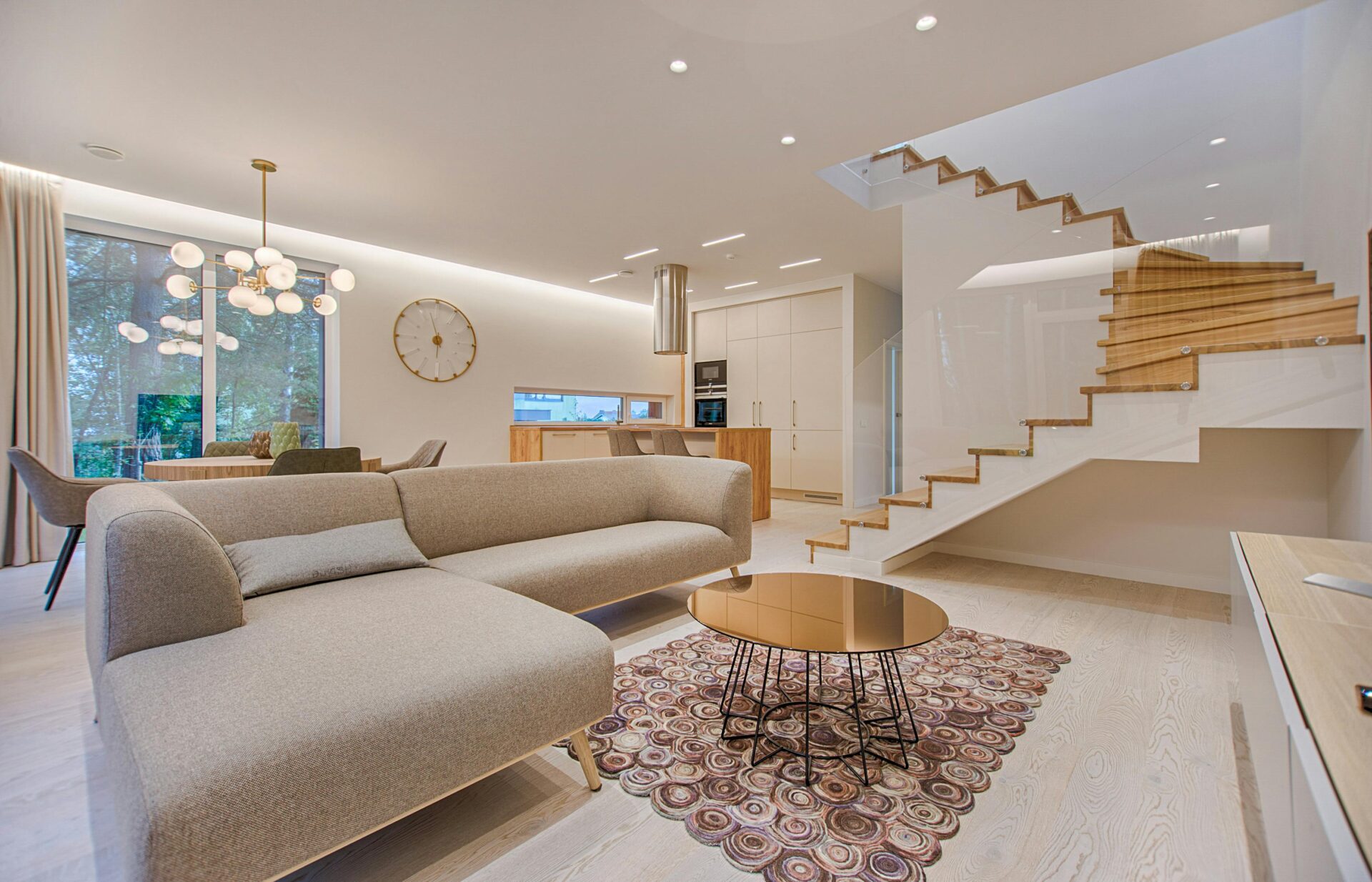
Ever walked into a room and felt instantly impressed with how polished and perfect everything looked?
Chances are, you were looking right past one of the biggest design heroes in the space: the False Ceiling (or what we sometimes call a Suspended Ceiling or Dropped Ceiling).
At CIPL Group, we love seeing our clients’ faces light up when they realize how much false ceiling materials can transform their home or office. False Ceiling is a smart, practical, and stylish upgrade!
So, what exactly is this “false” ceiling, and what makes it so popular?
Let’s go a bit further.
Table of Contents
What is a False Ceiling, anyway?
Think of a false ceiling as a secondary ceiling that hangs below your main, structural ceiling.
Instead of just having the plain concrete slab above your head, a false ceiling is created by installing a frame (usually metal) and attaching lightweight panels to it. This creates a gap between the two ceilings.
Why Do People Install False Ceilings?
The benefits are more than just looks!
- Hiding the Clutter: This is the big one! That gap is the perfect place to hide all the ugly, messy stuff you don’t want to see: electrical wires, air conditioning ducts, plumbing pipes, and security cables. Hello, clean aesthetics!
- Amazing Lighting: This is where the magic happens! False ceilings let you install stunning recessed lighting, beautiful cove lighting, and downlights that distribute light evenly and beautifully without any wires showing.
- Better Insulation: They trap a layer of air between the two ceilings, which acts as a fantastic insulator. This means your rooms stay cooler in the summer and warmer in the winter, helping you save on those hefty energy bills!
- Soundproofing: They do a great job of absorbing sound, making your space much quieter. Perfect for home theatres, offices, or apartments!
- Fire Safety: Certain materials can offer better fire resistance, adding an extra layer of safety to your building.
Picking Your Power Player: Types of False Ceiling Materials
Now that you know why you need one, let’s talk about the main materials CIPL Group works with. Each one has its own special superpowers!
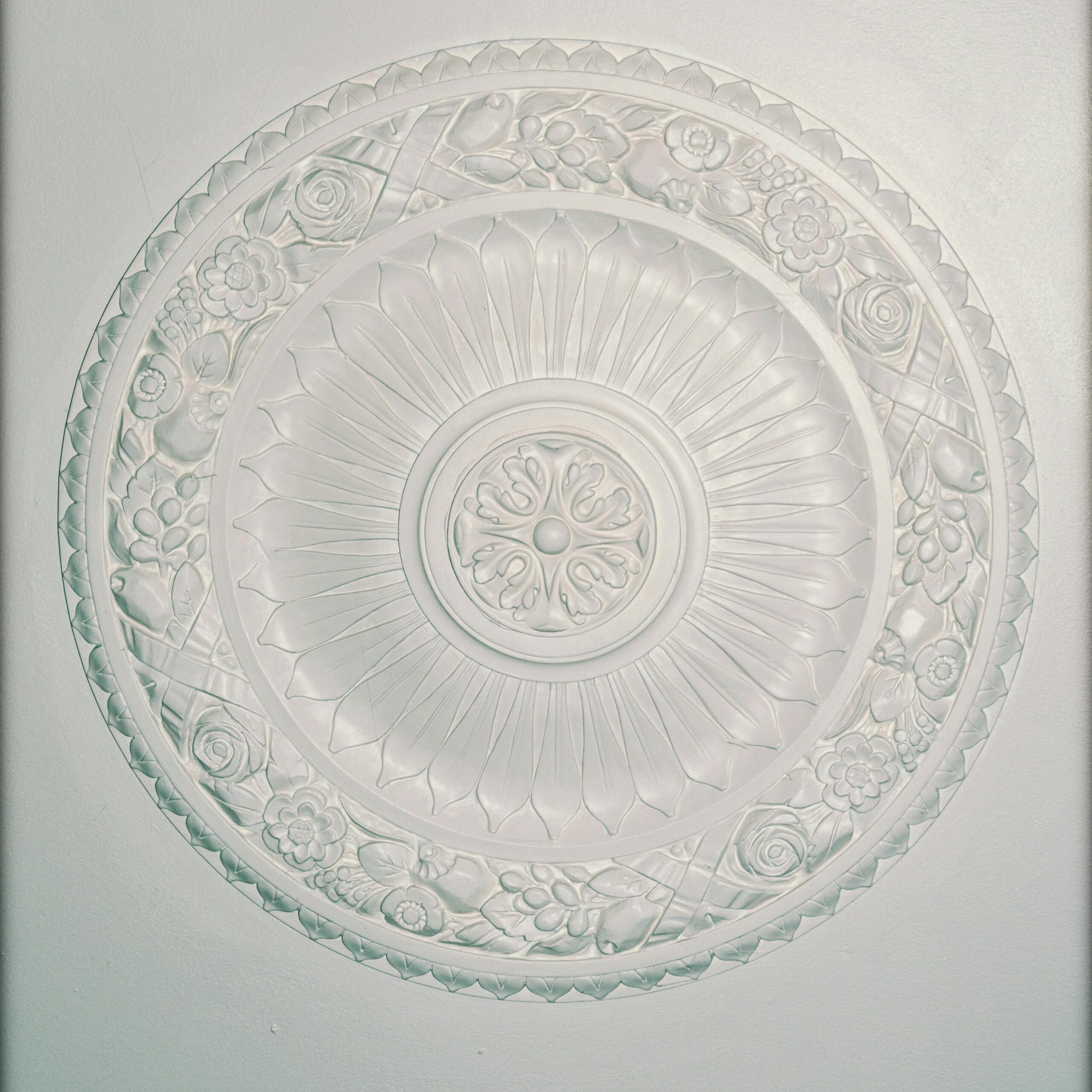
1. Plaster of Paris (POP) False Ceilings
This is the classic, most popular choice.
- The Scoop: POP is a quick-setting plaster made from gypsum. It’s mixed with water, applied to a mesh or fiberboard, and then dried. It’s like sculpting your ceiling!
- Why We Love It: POP is incredibly versatile and seamless. It allows for highly creative designs, curves, steps, multi-layered patterns, that look like they are molded right onto the ceiling. It gives you that luxurious, smooth finish.
- Best For: Living rooms, bedrooms, and commercial spaces where a high-end, bespoke finish is desired.
2. Gypsum False Ceilings
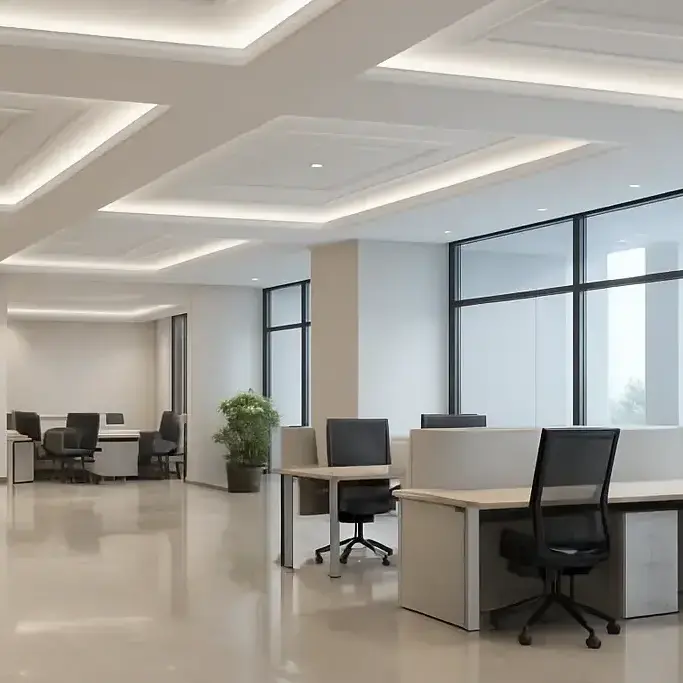
Another favourite, Gypsum ceilings come in pre-made boards.
- The Scoop: Gypsum is a soft mineral pressed into thick sheets (like drywall). These boards are then screwed onto a metal framework.
- Why We Love It: They are very quick and easy to install compared to POP (less mess, less drying time!). They also offer great fire resistance and sound insulation. While still smooth, they are typically installed as a clean, flat surface.
- Best For: Offices, kitchens, and large areas where a quick, uniform, and durable ceiling is needed.
3. PVC (Polyvinyl Chloride) False Ceilings
PVC is the practical, low-maintenance option.
- The Scoop: Made of plastic, PVC panels are interlocking and extremely lightweight.
- Why We Love It: They are completely waterproof and moisture-resistant, making them super easy to clean. You can literally wipe them down! They come in many different finishes, sometimes mimicking wood or metal.
- Best For: Bathrooms, balconies, garages, and basements—anywhere moisture is a concern.
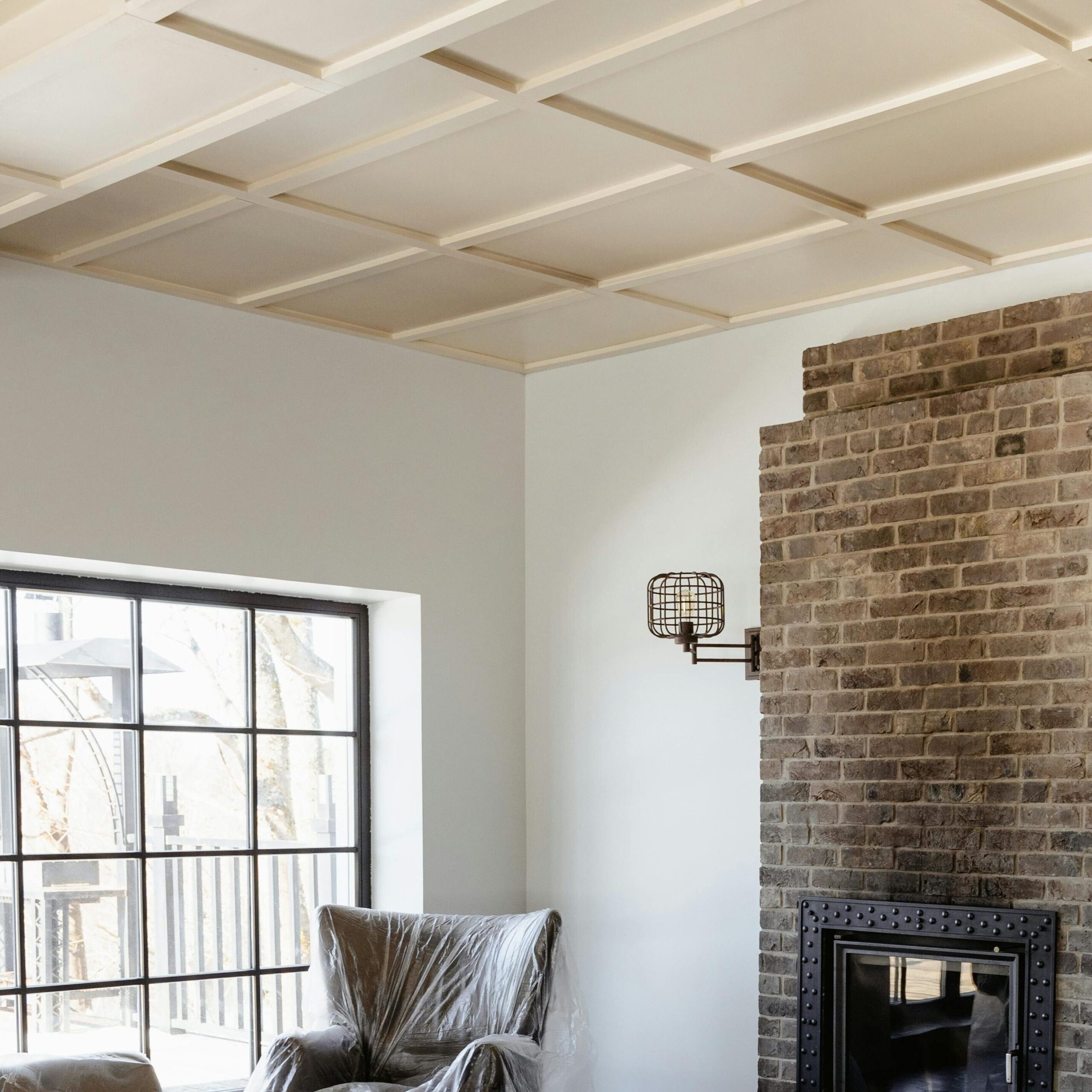
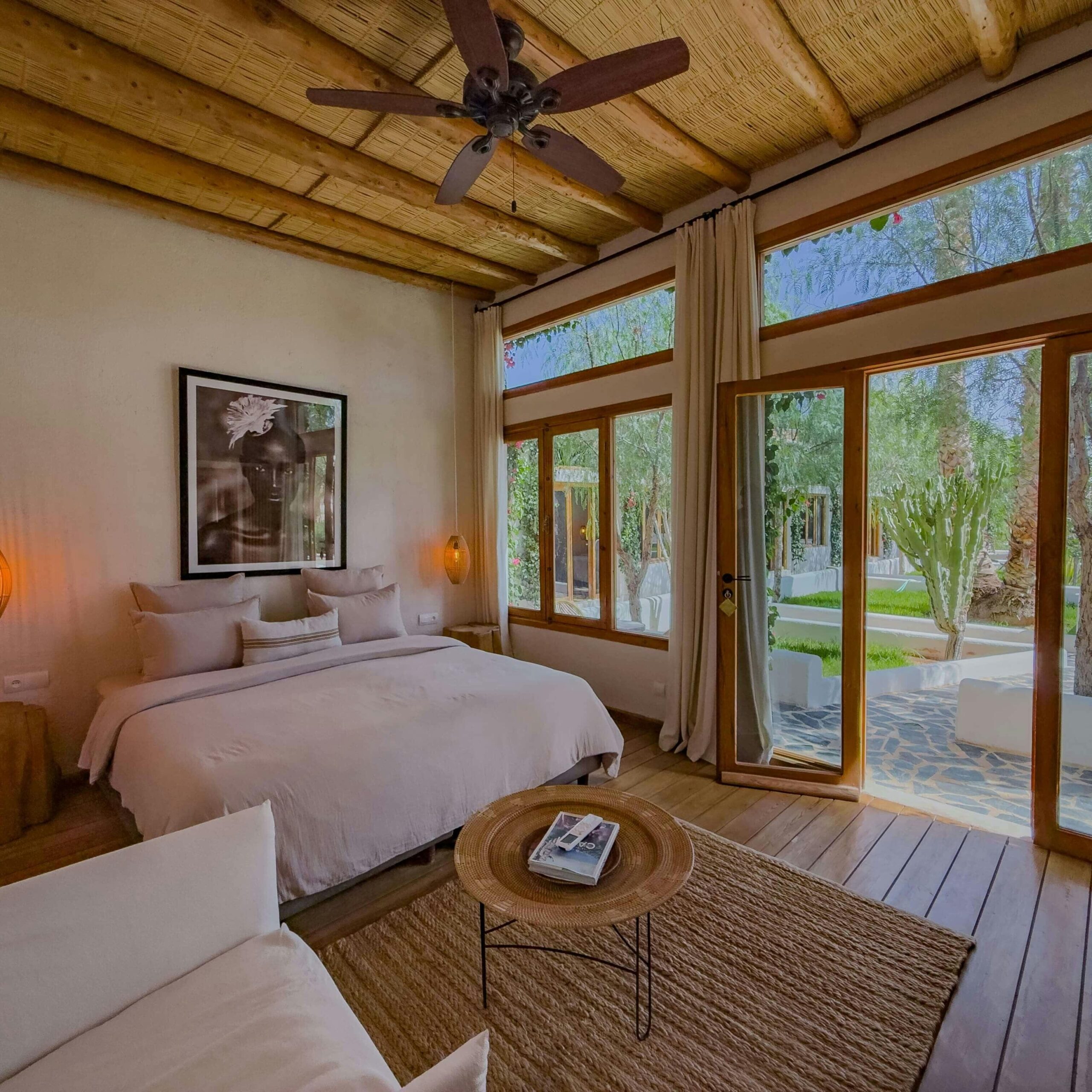
4. Wooden False Ceilings (Plywood or Timber)
For that warm, cozy, and rich vibe.
- The Scoop: This is created using wooden planks, panels, or blocks.
- Why We Love It: Nothing beats the natural warmth and elegance of wood. It creates a stunning aesthetic, perfect for accent areas. While beautiful, it’s generally more expensive and requires more maintenance than other types.
- Best For: Feature ceilings in dining areas, lounges, or hotel lobbies where you want to make a big statement.
Conclusion
As you can see, a false ceiling is a crucial component for comfort, efficiency, and design! Whether you want the custom elegance of POP, the fast finish of Gypsum, the rugged durability of PVC, or the warmth of Wood, CIPL Group has the expertise to help you choose the perfect material and design for your space.
Don’t let your ceiling be an afterthought! Let us help you turn that blank canvas into a masterpiece that works smarter for you.
Visit us at www.ciplgroup.com
Recommeded Blogs
Sustainable Flooring Solutions for Corporate Projects
In today’s world, sustainability is no longer just a trend—it has become a responsibility. Corporate offices, commercial buildings, and large infrastructure projects are now focusing on eco-friendly solutions that reduce environmental impact while maintaining performance and design quality. One of the most important yet often overlooked elements in sustainable design is flooring. The right flooring choice…
Why Turnkey Interior Material Supply Reduces Project Delays
In today’s fast-moving construction industry, time is money. Every delay in a commercial project means extra cost, stress, and sometimes even loss of reputation. Developers, architects, project managers, and contractors all face one common challenge — project delays due to material supply issues. At Cipl Group, we believe that one of the smartest ways to…
Most Interior Projects Don’t Fail Because of Design. They Fail Because of Delayed Materials
Let’s be honest. In the interior building materials industry, projects rarely suffer because of design issues. They suffer because: And in commercial projects — delay means penalties, pressure, and damage to reputation. This is the exact gap that Ceiling Impex Pvt. Ltd. (CIPL Group) is solving. We are not just another building material supplier. We are…