
Why Modular Ceiling Systems Dominate Commercial Projects
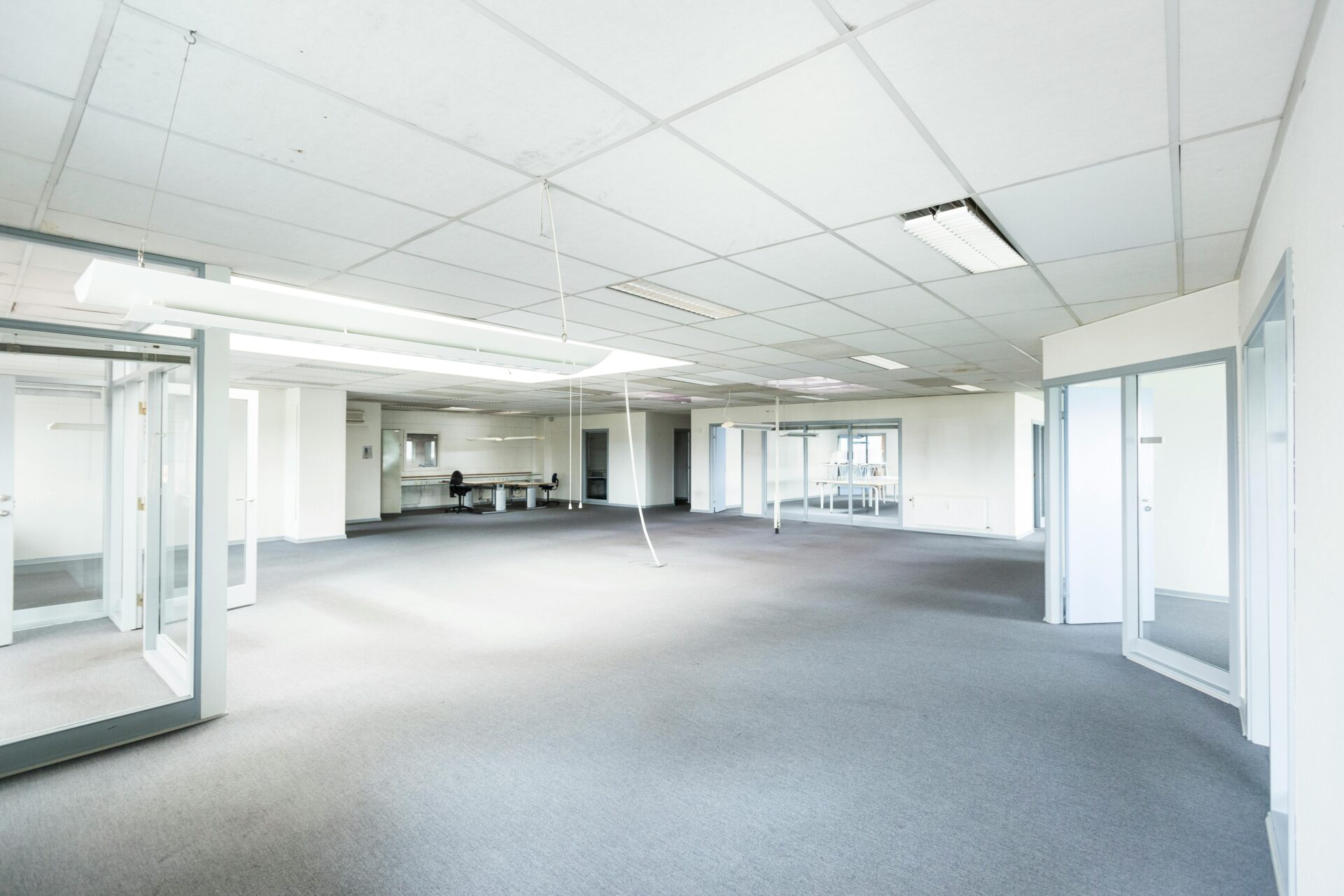
In today’s fast-moving commercial construction industry, one solution is clearly leading the way — modular ceiling systems.
Across offices, airports, hospitals, malls, IT parks, educational institutions, and retail spaces, modular ceilings have become the preferred choice for architects, consultants, and developers.
But why are modular ceiling systems dominating commercial projects in India?
Let’s explore this in simple words.
Table of Contents
1. Speed of Installation Saves Time
In commercial projects, time is money.
Developers want fast completion. Corporate clients want early handover. Contractors want smooth execution.
Modular ceiling systems are factory-made and designed for easy installation. They come in ready-to-install panels and grids, which reduces on-site labor and speeds up the process.
Compared to traditional ceiling systems, modular ceilings can be installed faster and with better precision.
In growing commercial hubs like Mumbai, Bengaluru, and Hyderabad, where commercial real estate is expanding rapidly, speed is a major advantage.
This is one of the key reasons modular ceiling systems dominate commercial projects.
2. Easy Maintenance and Access to Services
Modern commercial buildings have complex infrastructure above the ceiling:
- Electrical wiring
- HVAC systems
- Fire sprinklers
- Internet and data cables
- Security systems
With modular ceiling systems, panels can be easily removed and reinstalled. This allows quick access to services without breaking the ceiling.
For facility managers, this is a huge benefit.
Maintenance becomes easier, faster, and more cost-effective.
In offices and IT parks, this flexibility makes modular ceilings the smartest choice.
3. Better Acoustic Performance
Noise control is very important in commercial spaces.
Offices need quiet meeting rooms. Hospitals require calm environments. Educational institutions need clear sound control.
Many modular ceiling systems are designed with acoustic properties. They help absorb sound and reduce echo.
This improves:
- Employee productivity
- Meeting room clarity
- Overall comfort
- Customer experience
As workspaces become more collaborative, acoustic ceiling solutions are becoming essential.
4. Clean and Professional Appearance
Modular ceilings provide a neat and uniform look.
They hide services while maintaining easy access. They create clean lines and structured layouts.
In premium offices, retail stores, and hospitality projects, the ceiling plays a major role in overall design.
Architects prefer modular ceiling systems because they combine function with design flexibility.
They are available in different materials such as:
- Metal ceiling systems
- Mineral fiber tiles
- Gypsum ceiling tiles
- Open cell ceiling designs
- Baffle ceiling systems
This variety makes modular ceilings suitable for every type of commercial project.
5. Flexibility in Design
Modern commercial spaces are not rigid. They change with time.
Companies expand. Layouts change. Departments shift. Cabins are added or removed.
Modular ceiling systems support this flexibility.
Panels can be adjusted or replaced without major structural work.
In dynamic cities like Delhi and Pune, where corporate growth is constant, flexible interior solutions are highly valued.
This adaptability is a key reason modular ceilings dominate commercial interior projects.
6. Fire Safety and Compliance
Commercial buildings must meet strict fire and safety standards.
Many modular ceiling systems are designed with fire-resistant materials. They comply with safety norms and building regulations.
This gives confidence to developers, consultants, and facility managers.
Safety is not optional in commercial infrastructure — and modular ceilings help meet these requirements efficiently.
7. Sustainability and Green Building Compatibility
Sustainability is shaping the future of commercial interiors.
Modular ceiling systems often use recyclable materials. They support green building certifications such as LEED and IGBC.
Energy efficiency is another advantage.
Certain ceiling systems improve light reflection, reducing the need for extra lighting. This helps lower energy consumption.
In modern green buildings, ceiling systems are selected not just for design, but for environmental impact.
8. Cost Efficiency Over the Long Term
While initial costs may vary depending on material, modular ceiling systems offer strong long-term value.
They reduce:
- Installation time
- Maintenance costs
- Repair expenses
- Downtime during service work
Since panels can be individually replaced, there is no need to redo the entire ceiling in case of damage.
This makes modular ceilings a cost-effective solution for large commercial projects.
9. Compatibility with Smart Buildings
India is seeing growth in smart commercial buildings.
Ceiling systems now need to support:
- Smart lighting
- Sensors
- Automated climate systems
- Integrated security
Modular ceiling systems allow easy integration of these technologies.
They are designed to accommodate lighting fixtures, diffusers, detectors, and other smart elements seamlessly.
As commercial buildings become more technology-driven, modular ceilings are becoming the natural choice.
10. Strong Demand Across Sectors
Modular ceiling systems are widely used in:
- Corporate offices
- Airports
- Hospitals
- Shopping malls
- IT parks
- Educational institutions
- Government buildings
Their versatility makes them suitable for almost every commercial segment.
This wide acceptance across industries explains why modular ceilings dominate commercial projects today.
The Future of Modular Ceiling Systems in India
The commercial construction market in India is growing steadily.
With increasing focus on:
- Faster project delivery
- Performance-based materials
- Sustainable interiors
- Flexible layouts
- Smart infrastructure
Modular ceiling systems are set to grow even further.
They are not just a ceiling solution. They are part of a larger building ecosystem.
For architects and developers, the decision is becoming clear — modular ceiling systems provide efficiency, performance, and long-term reliability.
Conclusion
Modular ceiling systems dominate commercial projects because they solve real challenges.
They offer:
- Speed
- Flexibility
- Easy maintenance
- Acoustic comfort
- Safety
- Sustainability
- Design freedom
In today’s competitive commercial environment, businesses need interior solutions that work as hard as they do.
Modular ceilings are not just a trend. They are a smart, future-ready solution for modern commercial spaces.
As India continues to build its commercial infrastructure, modular ceiling systems will remain at the center of this transformation.
If you are planning your next commercial project, modular ceilings are not just an option — they are a strategic advantage.
Recommeded Blogs
Sustainable Flooring Solutions for Corporate Projects
In today’s world, sustainability is no longer just a trend—it has become a responsibility. Corporate offices, commercial buildings, and large infrastructure projects are now focusing on eco-friendly solutions that reduce environmental impact while maintaining performance and design quality. One of the most important yet often overlooked elements in sustainable design is flooring. The right flooring choice…
Why Turnkey Interior Material Supply Reduces Project Delays
In today’s fast-moving construction industry, time is money. Every delay in a commercial project means extra cost, stress, and sometimes even loss of reputation. Developers, architects, project managers, and contractors all face one common challenge — project delays due to material supply issues. At Cipl Group, we believe that one of the smartest ways to…

Most Interior Projects Don’t Fail Because of Design. They Fail Because of Delayed Materials
Let’s be honest. In the interior building materials industry, projects rarely suffer because of design issues. They suffer because: And in commercial projects — delay means penalties, pressure, and damage to reputation. This is the exact gap that Ceiling Impex Pvt. Ltd. (CIPL Group) is solving. We are not just another building material supplier. We are…