
The Ultimate Guide To Office Partition Walls In 2026
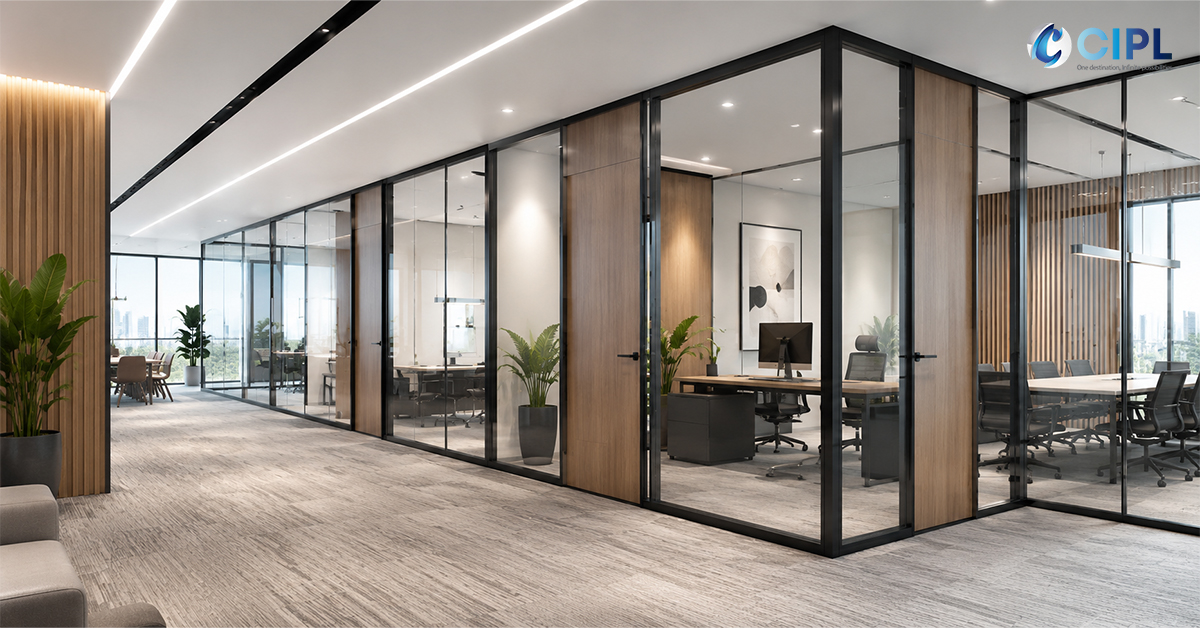
The modern Indian workplace is undergoing a massive transformation. After years of experimenting with completely open-plan layouts, corporate decision-makers in hubs like Bengaluru, Mumbai, and Delhi NCR have realised a critical truth: absolute openness often leads to absolute distraction. Today, architects, facility managers, and business owners are seeking a balanced, hybrid approach. The most effective way to achieve this? High-performance office partition walls.
Whether you are configuring a new corporate headquarters, upgrading an existing commercial interior, or managing a tenant fit-out, the right partition systems dictate the flow, acoustic comfort, and visual identity of the space.
In this comprehensive guide, we will explore the engineering, materials, and acoustic science behind modern office partition walls, helping you make informed decisions that boost employee productivity, enhance aesthetics, and deliver long-term ROI.
Why Modern Offices Rely on High-Quality Partition Walls?
The shift toward strategic space division isn’t just an architectural trend; it is driven by workplace psychology and bottom-line business impact. Installing a thoughtfully designed false wall or partition system addresses several core commercial needs:
- Acoustic Privacy: Reducing noise transfer between meeting rooms, executive cabins, and open workstations.
- Space Optimisation: Creating agile work environments, such as huddle rooms and quiet pods, without permanent structural changes.
- Aesthetic Branding: Utilising premium finishes, from glass to modern cladding, to reflect corporate identity.
- Cost-Efficiency: Dry construction methods are faster, cleaner, and more adaptable than traditional brick-and-mortar masonry.
Top Materials for Commercial Office Partition Walls
Selecting the right material for your commercial fit-out depends on the specific needs of the zone whether it demands high acoustic insulation, moisture resistance, or premium aesthetics.
1. Fibre Cement and Heavy-Duty Boards
For high-traffic commercial zones that require extreme durability and fire resistance, fibre cement boards are the industry standard. Products like Everest wall solutions have become go-to choices for architects and builders.
Using Everest wall cladding or structural Everest wall panels ensures impact resistance and longevity. Contractors operating under tight deadlines often look for a reliable cement sheet for walls near me to expedite construction without compromising structural integrity. A standard Everest wall assembly offers excellent load-bearing capabilities for hanging heavy monitors, cabinetry, or artwork in executive suites.
2. Drywall and Gypsum Systems
The most ubiquitous material in commercial interiors is the gypsum-based drywall system. It is lightweight, cost-effective, and highly customizable.
- Acoustic Control: When combined with mineral fibre insulation, drywall partitions achieve excellent Sound Transmission Class (STC) ratings.
- Finishing: Achieving a seamless finish requires high-quality jointing. Sourcing premium drywall joint compound in India ensures a crack-free, smooth surface ready for paint or wallpaper.
- Surface Enhancements: For enhanced designs, integrating gypsum wall tiles can add 3D textures and subtle architectural flair to otherwise flat surfaces.
3. Aesthetic and Sustainable Finishes
Corporate spaces are increasingly prioritising sustainable, low-VOC materials that look incredibly premium. If you have noticed the growing trend of interior designers searching for a bamboo charcoal wall panel near me, it is because these panels offer a stunning, eco-friendly finish with natural moisture-regulating properties. They are rapidly becoming a favourite for reception areas and boardroom feature walls.
4. Moisture-Resistant and Budget-Friendly Options
Not all walls require executive-level finishes. For back-of-house areas, pantries, and washroom-adjacent partitions, moisture control is key.
- Waterproof Wall Sheets: Essential for areas prone to humidity or water exposure to prevent mould and structural degradation.
- Cost Considerations: When value engineering a project, contractors often compare the PVC fibre sheet for wall price to find the cheapest partition wall solutions for temporary dividers or low-impact storage rooms. While budget-friendly, PVC provides a clean, washable surface ideal for utility spaces.
The Science of Office Acoustics: Beyond the Visuals
In commercial interiors, an office partition wall is only as good as its acoustic performance. Open-plan noise is the leading cause of reduced employee productivity and increased stress.
When specifying partition walls, architects evaluate two primary metrics:
- STC (Sound Transmission Class): Measures how well a wall blocks sound from passing through it. A private HR office or boardroom requires an STC rating of 45-50+.
- NRC (Noise Reduction Coefficient): Measures how much sound a surface absorbs.
Pro Tip for Builders: The most robust drywall setup will fail acoustically if the perimeter is not sealed properly. Using specialised acoustic sealants for sealing wall joints, floor tracks, and ceiling intersections is mandatory to prevent sound flanking (noise leaking through tiny gaps). Pairing high-STC partition walls with premium acoustic suspended ceilings creates the ultimate acoustically balanced environment.
Comparing Partition Wall Materials
| Material Type | Best Application | Key Benefit | Cost Segment |
|---|---|---|---|
| Gypsum Drywall | General office division, cabins | Fast installation, easy to paint | Low to Medium |
| Fibre Cement (e.g., Everest) | Corridors, high-traffic zones | Extreme durability, impact-resistant | Medium to High |
| Glass Partitions | Meeting rooms, modern offices | Natural light penetration | High |
| PVC / Fibre Sheets | Utility rooms, temporary walls | Moisture-resistant, economical | Low |
| Bamboo Charcoal Panels | Reception areas, feature walls | Eco-friendly, highly aesthetic | Premium |
ROI and Commercial Value: Making the Right Investment
For commercial property owners and corporate decision-makers, investing in high-quality office partition walls yields tangible returns.
- Reduced Churn and Increased Productivity: Employees equipped with quiet, distraction-free zones work more efficiently.
- Flexibility for the Future: Dry construction partitions can be dismantled and reconfigured much faster than masonry, lowering the cost of future tenant improvements or office redesigns.
- Brand Perception: A premium office interior builds immediate trust with visiting clients, signalling success, stability, and attention to detail.
Partner With Commercial Interior Experts
Designing and executing the perfect corporate workspace requires precision, high-quality materials, and expert installation. From high-STC acoustic walls to premium aesthetic cladding, making the right choice dictates the success of your office environment.
Don’t leave your workspace acoustics and aesthetics to chance.
Frequently Asked Questions
What Is The Best Material For Office Partition Walls?
The “best” material depends on the application. Gypsum drywall is excellent for general use and acoustics. Glass is ideal for natural light.
How Do I Soundproof An Office Cabin Effectively?
Effective soundproofing requires a multi-layered approach. Use a double-layer drywall system with acoustic mineral wool insulation inside the cavity.
Are Partition Walls Cheaper Than Brick Walls?
Yes. Dry construction partition walls are generally more cost-effective than traditional brick and mortar.
Can Partition Walls Support Heavy Office Furniture or TVs?
Stand requires internal structural reinforcements (plywood or metal blocking) to hold heavy weights.
Recommeded Blogs
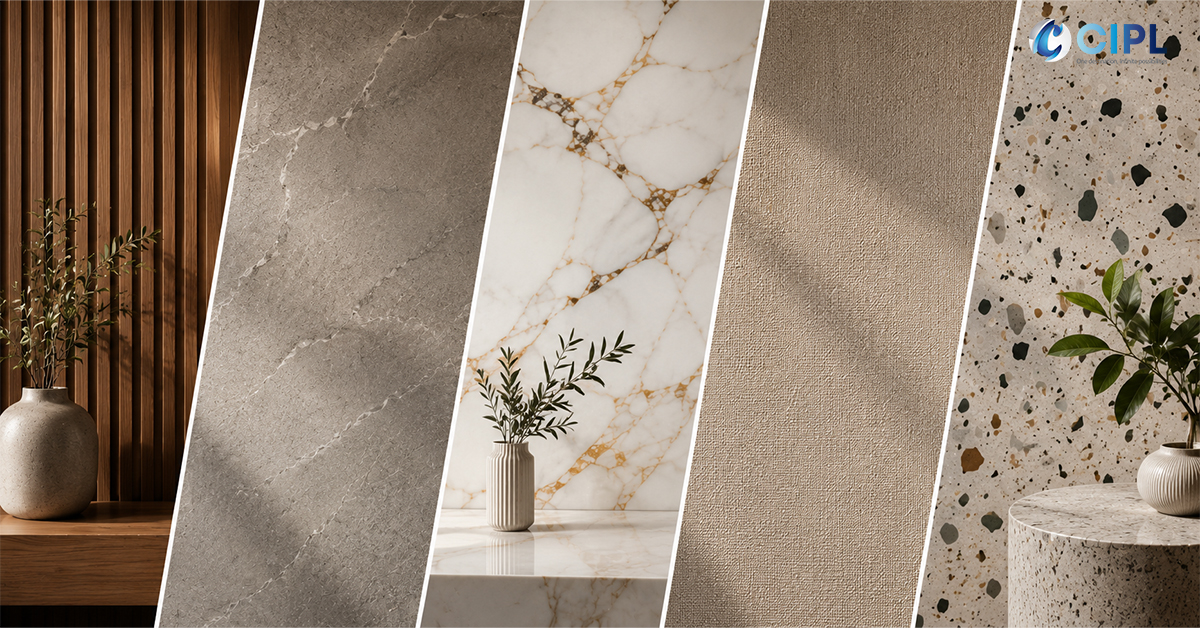
Top 5 Interior Material Trends For Corporate Offices In 2026
The definition of a premium corporate workplace has undergone a structural shift. The era of the sterile, monotone "desk farm" is officially over. Driven by hybrid work models, a heightened focus on corporate wellness, and stricter sustainability mandates, modern office design is no longer just about optimising square footage; it is about optimising the human…
The Ultimate Guide To Office Partition Walls In 2026
The modern Indian workplace is undergoing a massive transformation. After years of experimenting with completely open-plan layouts, corporate decision-makers in hubs like Bengaluru, Mumbai, and Delhi NCR have realised a critical truth: absolute openness often leads to absolute distraction. Today, architects, facility managers, and business owners are seeking a balanced, hybrid approach. The most effective…
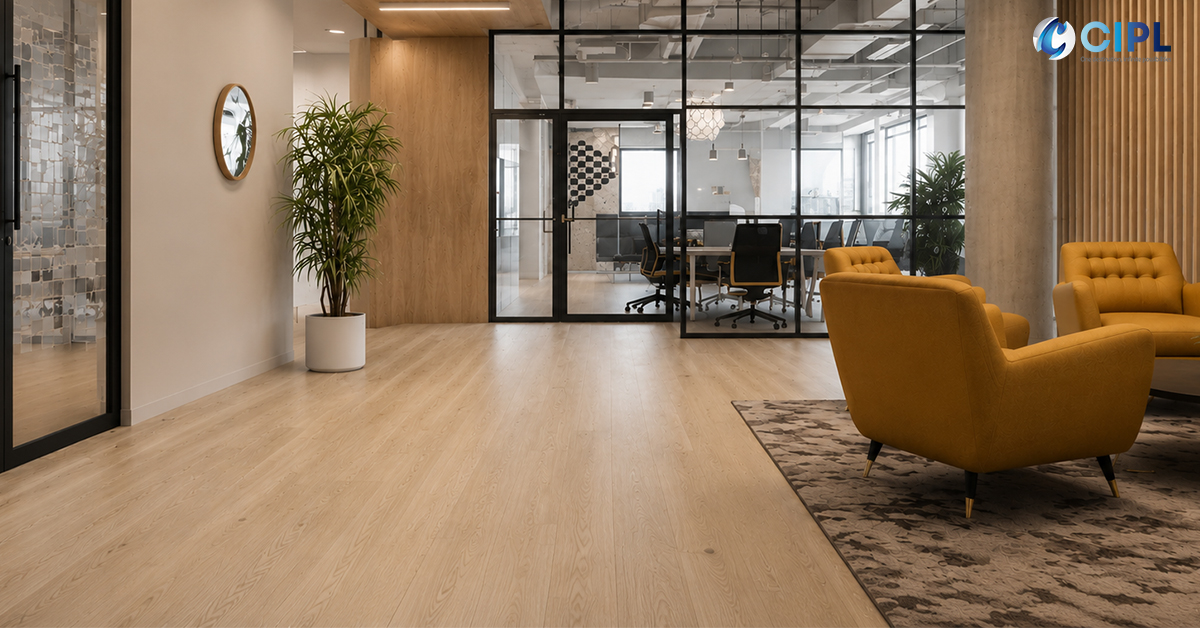
Top 7 Commercial Office Flooring Solutions | CIPL Group
Step into any tier-1 corporate park in Mumbai’s Bandra-Kurla Complex (BKC), Bengaluru’s Outer Ring Road, or the tech corridors of Cyber City Gurgaon, and you will notice a distinct shift in architecture. The traditional, fragmented workspace has evolved into an interconnected landscape of collaborative zones, focused deep-work pods, open breakout areas, and glass-fronted executive bays.…