
Top 5 Interior Material Trends For Corporate Offices In 2026
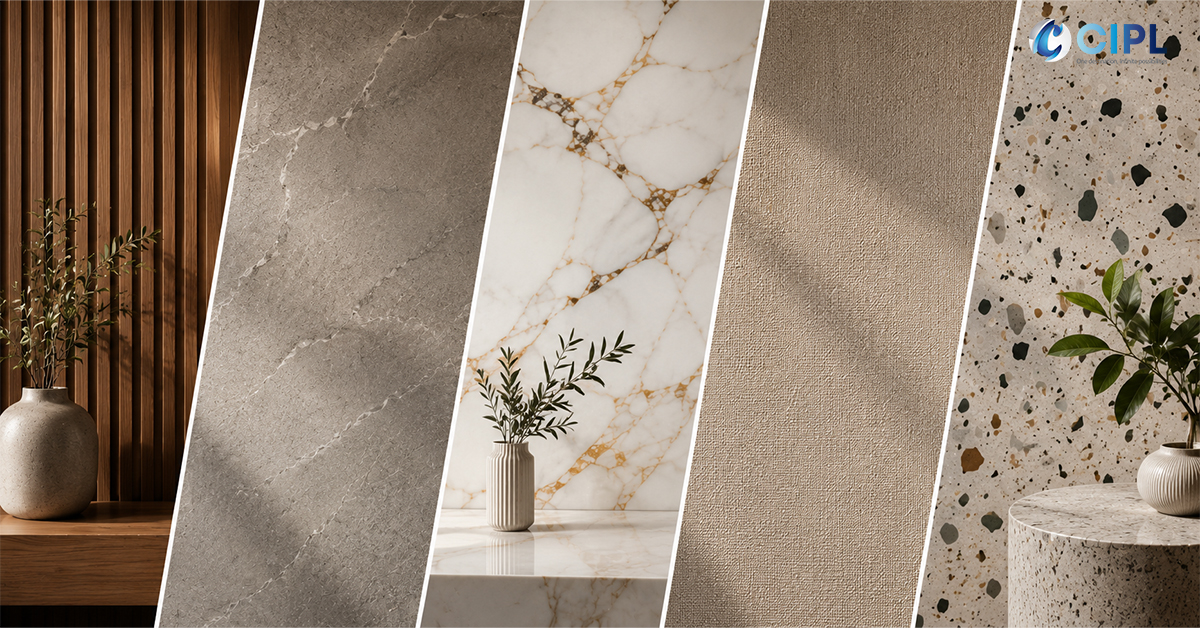
The definition of a premium corporate workplace has undergone a structural shift. The era of the sterile, monotone “desk farm” is officially over. Driven by hybrid work models, a heightened focus on corporate wellness, and stricter sustainability mandates, modern office design is no longer just about optimising square footage; it is about optimising the human experience.
For architects, interior designers, and commercial property developers, choosing the right interior material is no longer just an aesthetic decision; it is a critical strategy to enhance employee productivity, ensure acoustic comfort, and maximise long-term asset ROI. In 2026, the trend moves away from flat, artificial surfaces toward rich textures, high-performance acoustic ceiling systems, and circular, sustainable building elements.
If you are planning an upcoming commercial fit-out, here are the top 5 interior material trends reshaping corporate spaces this year.
1. High-Performance Acoustic Ceiling Systems: The Rise of Statement Ceilings
Acoustics have graduated from a post-construction afterthought to a primary architectural priority. With open-plan office layouts remaining popular for collaboration, the biggest workplace villain is acoustic distraction. Uncontrolled sound travel damages focus, spikes employee stress levels, and reduces cognitive performance.
Because of this, premium corporate designs are treating the “fifth wall”, the ceiling, as a major functional and visual focal point.
Acoustic Performance Metrics: Understanding NRC
When specifying ceiling materials, top architects look closely at the Noise Reduction Coefficient (NRC). An NRC rating ranges from 0.0 (perfect reflection) to 1.0 (perfect absorption).
- Acoustic Baffle Ceilings: Suspended vertically, PET felt or timber-composite baffles capture sound waves from multiple angles, offering an NRC of 0.85 or higher. They create an industrial, linear rhythm that hides exposed MEP services while maintaining overhead volume.
- Mineral Fibre Ceilings: For high-concentration zones and boardroom applications, micro-perforated mineral fibre tiles offer high NRC ratings along with excellent Ceiling Attenuation Class (CAC) values, preventing sound from leaking into adjacent cabins.
Investing in high-end acoustic systems delivers a direct return on investment by protecting workplace focus and mental well-being.
2. Circular and Bio-Based Flooring and Ceiling Materials
Sustainability in 2026 has moved beyond simple low-VOC certifications. Forward-thinking corporate clients demand true circular economy integration, choosing materials that are either responsibly recycled or fully biodegradable at the end of their lifecycle.
Why Premium Indian Workspaces are Going Green
In major commercial hubs across India from the glass high-rises of Gurgaon and Noida to the sprawling tech parks of Bengaluru and Hyderabad developers are prioritising LEED and WELL building certifications to attract multinational tenants.
Using responsibly sourced interior building material options, such as compressed agricultural waste boards, reclaimed timber cladding, and recycled aluminium ceiling grids, satisfies green compliance while adding premium tactile character to the office interior.
3. Experiential and Biophilic Textures Over Flat Surfaces
Minimalism is evolving. The stark, all-white or clinical grey office spaces of the past decade are being replaced by rich, sensory textures. 2026 is all about tactile comfort, which helps ease the transition from the comfort of home back to the corporate office.
Key Material Textures in Modern Commercial Spaces
- Tambour Wood Panels: Fluted timber panels wrap around reception desks, framing elevator banks, and texturing boardroom walls, breaking up flat surfaces with a vertical rhythm.
- Radius and Curved Glass Partitions: Sharp 90-degree corporate corners are being replaced by curved architectural glass framed in sleek, recyclable matte-black or bronze-finished aluminium profiles.
- Earthy Wall Finishes: Textured clay plaster, lime-wash coatings, and living moss installations are introducing rich organic tones like terracotta, sage green, and deep ochre into corporate breakout zones.
4. End-to-End Ergonomic and Commercial-Grade Modular Furniture
Modern workspaces are organised around activities rather than fixed job titles. As a result, commercial furniture must work harder, scaling up or down based on everyday team needs.
Premium furniture for commercial spaces in 2026 prioritises physical comfort and spatial flexibility:
- Hotdesking Frameworks: Reconfigurable, modular desk clusters featuring integrated cable management systems, ambient task lighting, and sensor-driven heights.
- Acoustic Huddle Pods: Freestanding, self-contained micro-architectural pods lined with high-absorptive felt fabric. These provide immediate privacy for hybrid video calls without needing permanent walls.
- Agile Spatial Dividers: Movable whiteboard tracks combined with acoustic panelling allow large team zones to transform into quiet study areas in minutes.
5. Wellness-Focused Smart Restrooms and Ancillary Zones
An office’s premium feel extends past the workspace floor plate. Corporate clients and facility managers increasingly judge a property’s quality by its ancillary spaces specifically, its executive restrooms and wellness rooms.
The focus here is on touchless automation, hygiene, and low maintenance.
Specifying the Best Bathroom and Sanitaryware Brands
High-traffic commercial restrooms require durable, commercial-grade fixtures that reduce water use without losing water pressure. Specifying products from the best sanitaryware brands and best bathroom brands ensures your project benefits from touchless sensor faucets, dual-flush hidden cisterns, and antibacterial ceramic coatings.
By pairing these clean fixtures with stone-textured large-format porcelain slabs and moisture-resistant acoustic ceilings, you turn a basic utility space into an upscale hospitality-inspired experience.
Sourcing Matrix: The Role of Trusted Interior Distributors
Designing a future-ready corporate environment requires a reliable supply chain. Sourcing multiple high-performance materials from acoustic ceiling tiles to commercial-grade flooring can become a logistical challenge for contractors and project management consultants (PMCs).
Working with established national interior distributors simplifies this process. A single-source commercial distributor ensures:
- Material Authentication: Verified batch testing for Fire Smoke Performance (Class A ratings), NRC compliance, and structured structural warranties.
- Logistical Efficiency: Coordinated delivery timelines that prevent on-site installation delays.
- Cost Control: Direct wholesale commercial pricing for large-scale commercial developments.
Architectural Installation & Maintenance Insights
To ensure premium interior materials perform well over time, proper architectural execution is essential.
- Acoustic Ceiling Levelling: When installing suspended linear metal or acoustic mineral fibre grids, using heavy-duty, corrosion-resistant galvanised steel suspension wires prevents sagging across wide expanses.
- Access Control Integration: Always specify acoustic ceilings with integrated trap doors or demountable systems to allow quick access to overhead HVAC valves, IoT sensors, and fire safety systems without damaging the panels.
- Long-Term Cleaning: For PET acoustic felt and fabric-wrapped wall systems, regular vacuuming with a soft brush attachment keeps dust from building up in porous fibres, maintaining both air quality and acoustic performance.
Frequently Asked Questions
What Are The 7 Elements In Interior Design?
The seven core elements required to balance any interior scheme are space, line, form, light, colour, texture, and pattern.
What Are The 7 Elements In Interior Design?
Materials that prioritise long-term durability, environmental sustainability, and high performance, such as natural timber, acoustic PET felt, and premium engineered slabs, are ideal for modern fit-outs.
What Are The Interior Materials?
Interior materials are the functional and decorative surfaces used to fit out a space, spanning everything from flooring and acoustic ceiling systems to architectural wall panels, modular furniture, and commercial-grade sanitaryware.
Recommeded Blogs
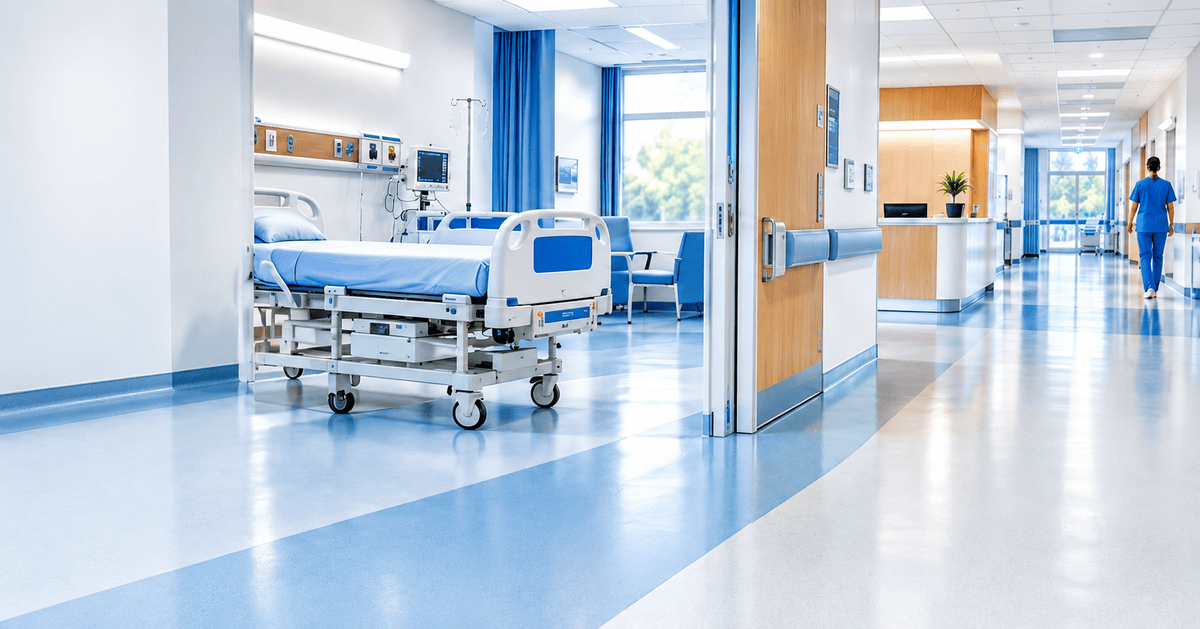
Best Flooring for Hospitals in India (2026): Types, Costs & NABH Requirements
In a hospital, the floor is not just a finish. It is part of infection control, patient safety and the building's running cost. Every day it takes trolley wheels, wheelchairs, spills, blood, disinfectants and thousands of footsteps. A wrong choice shows up fast: grout lines that hold bacteria, cracked tiles under stretchers, slippery corridors, or…
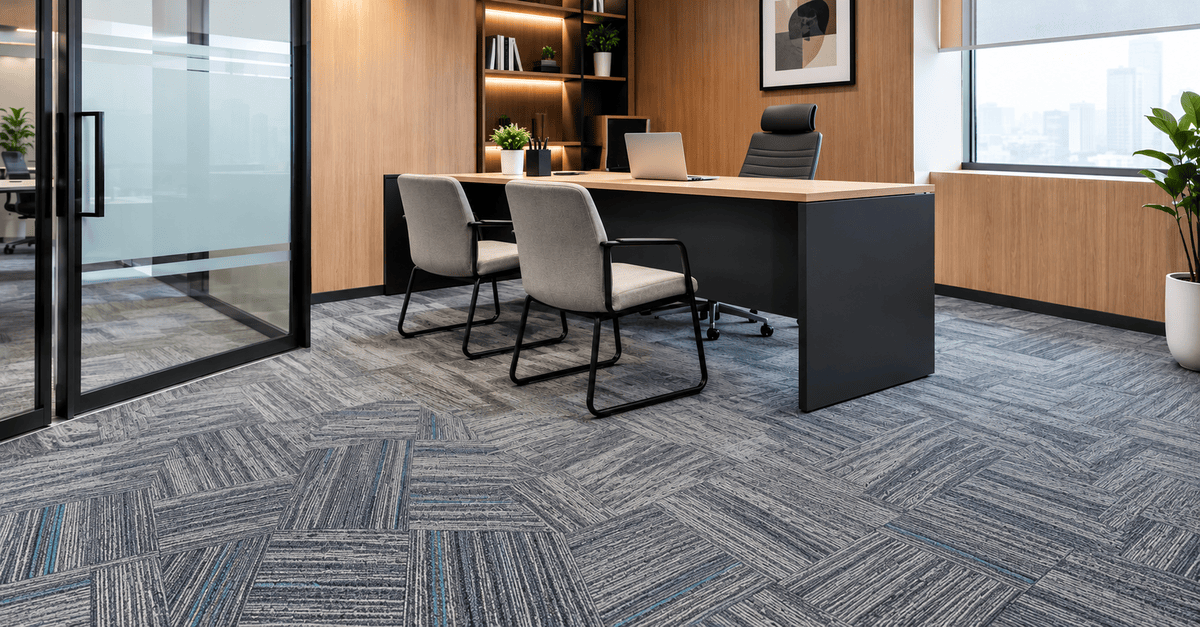
Which Flooring Is Best For Office Cabins?
When designing an office cabin, most people focus on furniture, lighting, wall colours, and storage. But have you thought about how much difference the flooring can make? The right flooring can make an office cabin look more professional, feel comfortable, and stay in good condition for years. Whether you're designing a manager's cabin, a director's…
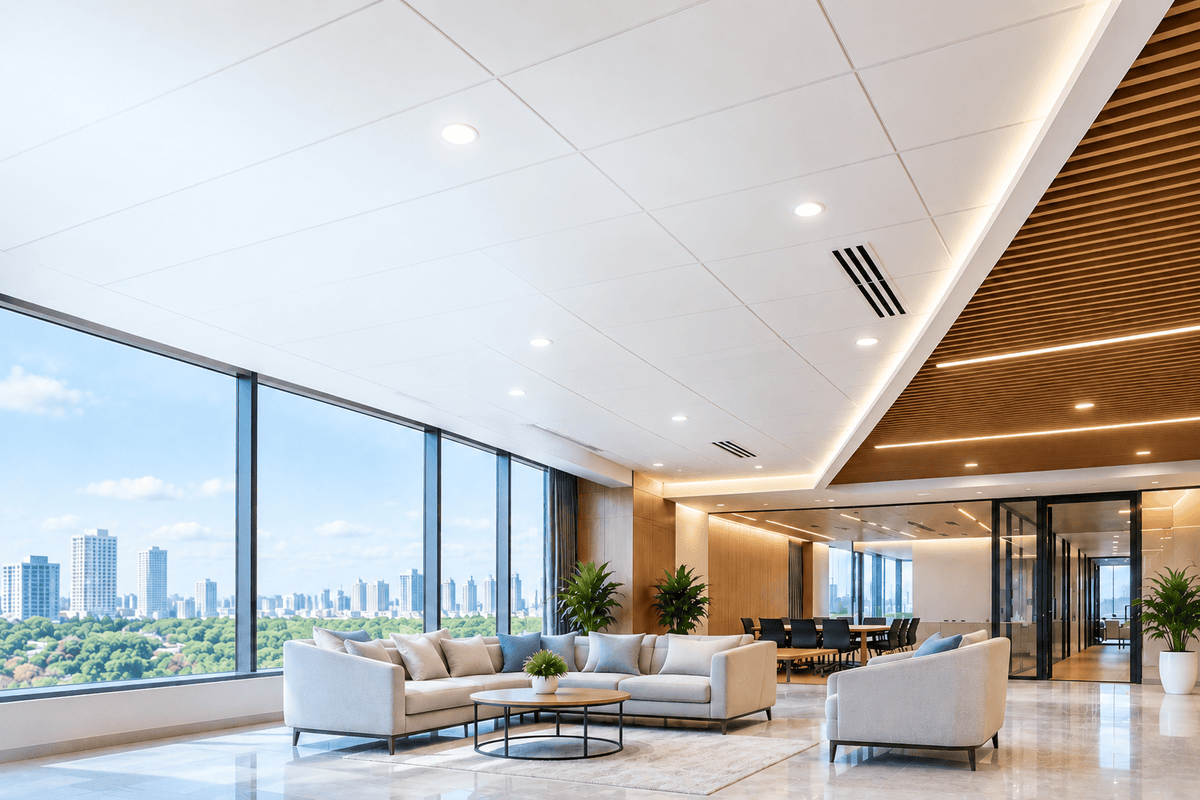
Best Ceiling Solutions In Delhi | CIPL Group
Choosing the best ceiling solutions in Delhi is an important step in creating functional, comfortable, and attractive interiors. Whether you are designing a corporate office, hotel, hospital, school, retail showroom, or residential property, the right ceiling system can improve the appearance of a space while helping manage lighting, acoustics, and building services. Today, architects, interior…