Top 25 Gypsum Ceiling Design Ideas for Interiors
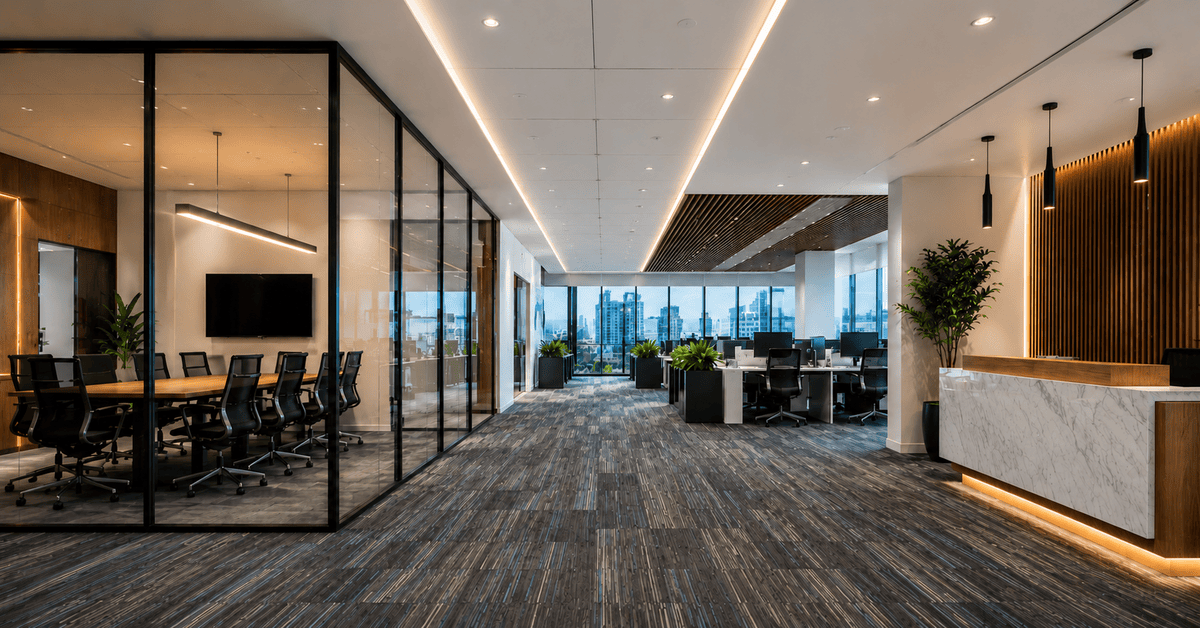
Walk into any premium office, luxury hotel, modern hospital, retail showroom, or educational institution, and one architectural element immediately stands out—the ceiling. Today’s interiors no longer treat ceilings as plain structural surfaces. Instead, architects use them to improve aesthetics, acoustics, lighting, and functionality.
Among the many ceiling options available, gypsum ceiling design continues to dominate building interiors projects. Its clean finish, design flexibility, fire-resistant properties, and compatibility with modern lighting systems make it one of the most preferred ceiling solutions worldwide.
Businesses today want interiors that create lasting impressions while supporting productivity, comfort, and energy efficiency. A well-designed gypsum board ceiling achieves all these goals. It hides electrical wiring, HVAC ducts, sprinkler systems, and structural beams while delivering a seamless architectural finish.
The demand for modern gypsum ceiling design has grown significantly across corporate offices, coworking spaces, healthcare facilities, hospitality projects, educational campuses, airports, shopping malls, and commercial complexes. Designers now combine gypsum ceilings with linear lighting, acoustic panels, smart sensors, and sustainable building materials to create interiors that look sophisticated and perform exceptionally well.
If you’re planning an interiors project in 2026, this guide will help you explore the latest design trends, understand where each ceiling style works best, and choose the right gypsum ceiling system for your space.
Why Is Gypsum the Best Choice for Ceiling Design?
Building interiors require ceiling systems that balance performance with appearance. A ceiling should not only look attractive but also improve lighting, control sound, conceal services, and comply with fire safety standards.
That is exactly why architects consistently recommend gypsum false ceilings.
Unlike conventional ceiling finishes, gypsum boards provide a smooth and uniform surface that suits almost every design style—from minimalist corporate offices to luxury hospitality interiors.
Key Advantages of Gypsum Ceiling Designs
- Exceptional Design Flexibility:-Gypsum boards allow architects to create almost any ceiling shape imaginable. Whether you want floating ceilings, recessed lighting, curved ceilings, geometric patterns, layered designs, or integrated lighting features, gypsum adapts easily.
- Excellent Fire Resistance:-Building interiors must comply with strict fire safety regulations. High-quality gypsum boards naturally resist fire because they contain chemically bound water that slows the spread of flames.
- Better Acoustic Performance:-Noise affects employee productivity, classroom learning, healthcare environments, and customer experiences. Acoustic gypsum ceiling systems absorb sound and reduce echoes, creating quieter and more comfortable interiors.
- Seamless Finish:-Unlike many ceiling materials, gypsum creates smooth joints and clean surfaces that elevate the appearance of any space.
- Easy Integration with Lighting:-Modern building interiors rely heavily on recessed LEDs, linear lighting, pendant fixtures, sensors, CCTV cameras, and HVAC diffusers. Gypsum ceilings accommodate all these components without compromising aesthetics.
- Low Maintenance:- Properly installed gypsum ceilings require minimal maintenance. They retain their appearance for years with routine cleaning and occasional repainting.
How to Choose the Right Gypsum Ceiling Design?
Choosing a ceiling design involves more than selecting an attractive pattern. Every building interiors project has unique functional requirements.
Before finalizing a gypsum ceiling design, evaluate these factors:
- Building Type:-An office ceiling differs significantly from a hospital ceiling. Hotels require decorative finishes, while educational institutions prioritize acoustics.
- Ceiling Height:-Large building interiors allow layered and suspended ceiling systems. Smaller offices benefit from simple recessed designs that preserve visual height.
- Lighting Requirements:-Determine the lighting layout before ceiling installation. Proper planning prevents expensive modifications later.
- Acoustic Performance:-Meeting rooms, conference halls, hospitals, and educational facilities benefit greatly from acoustic gypsum ceiling systems.
- Maintenance Access:-Large interior projects often require regular access to electrical systems and HVAC services. Modular ceiling sections simplify maintenance.
Top 25 Modern Gypsum Ceiling Design Ideas
1. Minimalist Flat Gypsum Ceiling Design
Minimalism continues to dominate interior architecture in 2026.
A flat gypsum ceiling provides a clean, uninterrupted surface that complements modern offices, coworking spaces, banks, educational institutions, and government buildings.
Architects often combine this design with concealed LED lighting to create bright, distraction-free work environments.
Best For
- Corporate offices
- Conference rooms
- Educational institutions
- Government buildings
- Financial institutions
Benefits
- Creates a spacious appearance
- Supports minimalist interiors
- Easy to maintain
- Cost-effective installation
- Works with every lighting style
2. Floating Gypsum Ceiling Design
Floating ceilings remain one of the strongest interior design trends.
Instead of connecting directly to surrounding walls, designers create the illusion that the ceiling “floats” using concealed lighting around the edges.
The result feels elegant, luxurious, and highly contemporary.
Hotels, executive offices, and premium reception areas frequently use floating gypsum ceilings to establish a sophisticated atmosphere.
Best For
- Reception areas
- Executive cabins
- Luxury offices
- Hotels
- Commercial lobbies
Why It Works
Hidden lighting creates visual depth while making interiors appear larger and brighter.
3. Recessed LED Gypsum Ceiling Design
Lighting and ceiling design should always work together.
Recessed LED lighting integrated into gypsum ceilings creates evenly distributed illumination while maintaining a clutter-free ceiling surface.
Businesses increasingly choose this solution because LEDs consume less electricity, last longer, and improve workplace comfort.
Recommended Applications
- Office workstations
- Conference rooms
- Retail stores
- Healthcare facilities
- Commercial showrooms
Advantages
- Reduces glare
- Improves energy efficiency
- Creates a premium appearance
- Supports smart lighting systems
4. Layered Gypsum Board Ceiling
A layered gypsum board ceiling introduces depth and architectural character.
Instead of using a single flat surface, designers install multiple ceiling levels to separate functional areas within open interior spaces.
For example, reception counters, waiting areas, meeting zones, and collaborative spaces can each have distinct ceiling levels while maintaining a unified interior design.
Ideal For
- Hotels
- Corporate headquarters
- Retail showrooms
- Luxury offices
Design Tip
Combine layered ceilings with indirect LED lighting to emphasize ceiling depth.
5. Linear Gypsum Ceiling Design
Linear ceiling patterns continue to gain popularity because they complement modern architecture.
Parallel grooves and narrow recessed channels guide the eye through the interior while creating a clean, professional appearance.
Many multinational offices now use linear gypsum ceilings together with linear LED fixtures to reinforce a minimalist design language.
Perfect For
- IT companies
- Corporate offices
- Airports
- Commercial corridors
Benefits
- Modern appearance
- Improves visual flow
- Compatible with smart lighting
- Easy to maintain
6. Acoustic Gypsum Ceiling Design
Noise control has become a major priority in building interiors.
Open-plan offices, hospitals, auditoriums, educational institutions, and conference rooms all require effective sound management.
Acoustic gypsum ceiling systems reduce sound reflection and improve speech clarity, creating more comfortable environments for employees, patients, students, and visitors.
Recommended For
- Conference rooms
- Meeting rooms
- Hospitals
- Schools
- Universities
- Auditoriums
Key Benefits
- Better speech intelligibility
- Reduced echo
- Improved employee productivity
- Enhanced learning environments
7. Curved Gypsum Ceiling Design
Curved ceilings soften interiors while introducing movement and elegance.
Unlike traditional straight lines, curved gypsum panels guide visitors naturally through a space and create memorable architectural experiences.
Luxury hotels, airports, museums, and corporate headquarters increasingly adopt curved ceiling designs to differentiate their interiors.
Ideal Applications
- Hotel lobbies
- Airports
- Luxury offices
- Museums
- Experience centres
Design Advantage
Curved ceilings transform ordinary spaces into premium architectural environments.
8. Geometric Gypsum Ceiling Design
Geometric ceiling patterns have emerged as one of the biggest interior trends in 2026.
Hexagons, diamonds, triangles, squares, and custom polygons add visual interest without overwhelming the space.
Architects often combine geometric gypsum ceilings with integrated lighting to highlight branding zones, collaboration spaces, or reception areas.
Suitable For
- Technology companies
- Creative agencies
- Innovation centres
- Retail stores
- Corporate headquarters
Why Designers Choose It
Geometric ceilings create a distinctive identity while reinforcing a contemporary design language.
9. Coffered Gypsum Ceiling Design
A coffered gypsum ceiling features a series of recessed square or rectangular panels arranged in a grid pattern. This timeless design adds depth, symmetry, and sophistication to interiors while maintaining a professional appearance.
Although coffered ceilings originated in classical architecture, designers now reinterpret them with clean lines, concealed LED lighting, and minimalist detailing to suit contemporary office environments.
Large executive offices, boardrooms, luxury hotels, and premium retail spaces frequently use coffered ceilings to create an elegant atmosphere without overwhelming the space.
Best Applications
- Executive offices
- Boardrooms
- Luxury hotel lobbies
- Corporate headquarters
- Premium retail stores
Benefits
- Creates a luxurious appearance
- Adds architectural depth
- Enhances lighting layouts
- Increases perceived ceiling height
- Works well with recessed lighting and HVAC systems
Expert Tip: Pair a coffered gypsum board ceiling with warm indirect lighting to create a welcoming environment for clients and visitors.
10. Cove Lighting Gypsum Ceiling Design
Lighting dramatically influences how people experience spaces. A cove lighting gypsum ceiling hides LED strips within recessed ceiling channels to create soft, indirect illumination.
Instead of exposing the light source, the ceiling reflects light across walls and surfaces, producing a clean and premium look.
Businesses increasingly choose this design because it improves visual comfort while reducing glare.
Ideal For
- Reception areas
- Hotel corridors
- Corporate offices
- Showrooms
- Healthcare facilities
Advantages
- Creates luxurious ambient lighting
- Reduces eye strain
- Highlights architectural details
- Supports energy-efficient LED systems
- Makes interiors appear larger
Cove lighting also complements minimalist building interiors where designers want the lighting to enhance the space rather than dominate it.
11. Suspended Gypsum Ceiling System
Large buildings often require extensive mechanical and electrical services above the ceiling. A suspended gypsum ceiling system creates a concealed service zone while maintaining a clean architectural finish.
This system provides enough space for:
- Air conditioning ducts
- Fire sprinkler systems
- Electrical conduits
- Data cabling
- Smart building sensors
- Audio systems
Many modern office towers use suspended gypsum ceilings because they combine functionality with aesthetics.
Recommended Applications
- Office buildings
- Hospitals
- Shopping malls
- Educational institutions
- Airports
Benefits
- Conceals building services
- Improves thermal performance
- Enhances sound insulation
- Simplifies future maintenance
- Supports integrated lighting systems
12. Wooden Finish Gypsum Ceiling Design
Businesses often want the warmth of natural wood without the high maintenance requirements.
A wood-finish gypsum ceiling delivers the appearance of timber while maintaining the durability and fire resistance of gypsum boards.
Wood textures soften interiors and create inviting environments that improve customer experience.
Best For
- Boutique hotels
- Restaurants
- Cafés
- Corporate lounges
- Executive cabins
Why Designers Recommend It
- Premium appearance
- Lower maintenance than natural wood
- Fire-resistant construction
- Long-lasting finish
- Compatible with acoustic treatments
This design has become particularly popular in hospitality projects where comfort and elegance are equally important.
13. Reception Area Feature Ceiling
Reception areas create the first impression of a business. An ordinary ceiling rarely communicates innovation or professionalism.
A custom gypsum ceiling design transforms reception spaces into memorable brand experiences.
Architects often combine:
- Floating ceiling sections
- Linear LED lighting
- Curved ceiling elements
- Brand-coloured lighting
- Decorative geometric patterns
These features direct visitors toward reception desks while reinforcing the company’s visual identity.
Suitable For
- Corporate headquarters
- Technology companies
- Banks
- Healthcare centres
- Hotels
Design Recommendation
Coordinate the ceiling pattern with reception furniture and flooring to create a cohesive interior design.
14. Circular Gypsum Ceiling Design
Circular ceiling elements naturally attract attention and help define important areas within interior buildings.
Unlike rectangular layouts, circular designs create visual balance while emphasizing collaboration spaces.
Designers commonly install circular gypsum ceilings above:
- Meeting tables
- Waiting lounges
- Reception counters
- Dining areas
- Collaboration zones
Advantages
- Creates strong visual focus
- Breaks monotonous ceiling layouts
- Improves lighting distribution
- Adds architectural character
Large offices increasingly use circular ceiling elements to encourage collaborative working environments.
15. Smart Office Gypsum Ceiling Design
Technology now plays a central role in workplace design.
Modern gypsum ceiling systems accommodate smart office technologies without compromising aesthetics.
Today’s ceilings often integrate:
- Motion sensors
- Occupancy sensors
- Smart lighting
- Air quality sensors
- CCTV cameras
- Wi-Fi access points
- Fire detection systems
Rather than installing these components as visible accessories, designers incorporate them seamlessly into the gypsum ceiling.
Ideal For
- IT companies
- Corporate offices
- Business parks
- Innovation centres
- Government buildings
Benefits
- Supports smart building infrastructure
- Improves energy efficiency
- Reduces visual clutter
- Future-proofs commercial interiors
16. Hygienic Gypsum Ceiling Design for Healthcare Facilities
Hospitals demand ceiling systems that prioritise hygiene, durability, and easy maintenance.
Healthcare facilities experience continuous foot traffic, making ceiling performance as important as aesthetics.
Modern gypsum board ceilings designed for hospitals provide:
- Smooth surfaces
- Easy cleaning
- Moisture resistance
- Fire resistance
- Improved acoustics
These qualities help create comfortable healthcare environments for patients and medical professionals.
Recommended Applications
- Hospitals
- Clinics
- Laboratories
- Diagnostic centres
- Healthcare offices
Why Healthcare Architects Choose Gypsum?
- Easy maintenance
- Supports infection control
- Compatible with medical lighting
- Excellent acoustic performance
- Long service life
How to Select the Best Gypsum Ceiling Design for Your Interior Project?
Choosing the right ceiling involves balancing aesthetics with functionality. Before finalising a design, evaluate the following factors:
1. Project Purpose
Different spaces require different ceiling solutions.
- Offices need acoustic performance and integrated lighting.
- Hotels prioritise luxury and ambience.
- Hospitals focus on hygiene and maintenance.
- Retail stores require lighting that highlights merchandise.
Always match the ceiling design to the building’s primary function.
2. Lighting Strategy
Lighting should complement the ceiling rather than compete with it.
Plan the placement of:
- LED panel lights
- Linear lighting
- Spotlights
- Cove lighting
- Pendant fixtures
- Emergency lighting
Proper planning avoids costly modifications after installation.
3. Acoustic Requirements
Conference rooms, educational institutions, auditoriums, and open-plan offices benefit from acoustic gypsum ceiling systems that reduce echo and improve speech clarity.
4. Maintenance Access
Building interiors often require access to HVAC systems, electrical wiring, and fire protection equipment. Design the ceiling to allow maintenance without extensive demolition.
5. Brand Identity
The ceiling should reflect the company’s design language. A technology company may prefer geometric and linear patterns, while a luxury hotel may benefit from layered or curved ceilings with indirect lighting.
Design Trends Driving Gypsum Ceiling Demand in 2026
Building interiors continue to evolve as businesses prioritise sustainability, employee well-being, and premium customer experiences. As a result, architects increasingly specify modern gypsum ceiling designs that combine aesthetics with performance.
Key trends include:
- Floating ceiling systems with concealed LED lighting
- Minimalist linear ceiling patterns
- Acoustic gypsum ceilings for hybrid workspaces
- Smart ceilings integrated with sensors and automation
- Sustainable gypsum boards for green building projects
- Wood-finish gypsum ceilings for hospitality environments
- Curved ceiling features in experience centres and airports
- Multi-level gypsum ceilings that define collaborative zones
These trends not only improve the appearance of interiors but also contribute to better lighting, acoustics, energy efficiency, and occupant comfort.
17. Open Collaboration Zone Gypsum Ceiling Design
Modern workplaces encourage teamwork rather than isolated cabins. Architects now use ceiling design to visually separate collaboration zones without constructing physical walls.
A customised gypsum ceiling design with floating panels, recessed lighting, or geometric patterns helps define brainstorming areas while maintaining an open office layout.
Best Applications
- Coworking spaces
- Innovation labs
- Technology companies
- Creative agencies
- Corporate offices
Benefits
- Defines work zones without partitions
- Improves lighting in collaborative spaces
- Enhances workplace aesthetics
- Creates a more engaging office environment
18. Retail Display Gypsum Ceiling Design
Retail success depends on customer experience, and ceiling design plays a major role in directing customer attention.
A modern gypsum board ceiling allows designers to position lighting precisely above merchandise, highlight promotional displays, and improve overall store ambience.
Ideal For
- Fashion outlets
- Electronics stores
- Furniture showrooms
- Luxury retail
- Shopping malls
Design Recommendation
Combine recessed spotlights with clean gypsum ceiling panels to highlight products while keeping the ceiling visually uncluttered.
19. Luxury Hotel Gypsum Ceiling Design
Luxury hotels use ceilings to reinforce elegance and comfort. Multi-level gypsum ceilings with cove lighting, decorative mouldings, and feature lighting create premium guest experiences.
Guests often judge a hotel’s quality within seconds of entering the lobby. A thoughtfully designed ceiling enhances that first impression.
Suitable Areas
- Hotel lobbies
- Banquet halls
- Guest corridors
- Restaurants
- Executive lounges
Benefits
- Creates a luxurious atmosphere
- Enhances lighting quality
- Improves guest experience
- Supports decorative chandeliers and pendant lights
20. Restaurant and Café Gypsum Ceiling Design
Restaurants require interiors that encourage customers to stay longer while enjoying a comfortable atmosphere.
Gypsum ceilings allow designers to combine warm lighting, wood textures, curved forms, and acoustic treatments to create inviting dining spaces.
Best For
- Cafés
- Fine dining restaurants
- Food courts
- Hospitality projects
Why It Works
- Reduces background noise
- Creates comfortable lighting
- Enhances interior aesthetics
- Supports HVAC integration
21. Educational Institution Gypsum Ceiling Design
Schools, universities, and training centres require ceilings that improve concentration and speech clarity.
An acoustic gypsum ceiling reduces echo inside classrooms while creating a brighter learning environment.
Applications
- Schools
- Universities
- Libraries
- Lecture halls
- Training centers
Advantages
- Better acoustics
- Lower maintenance
- Durable construction
- Improved lighting efficiency
22. Airport and Transit Terminal Ceiling Design
Large public buildings demand ceilings that combine durability with visual appeal.
Airports frequently use expansive gypsum ceiling systems together with linear lighting and directional signage.
Benefits
- Creates spacious interiors
- Supports integrated lighting
- Conceals mechanical services
- Improves passenger experience
23. Sustainable Gypsum Ceiling Design
Sustainability has become a priority in construction.
Many manufacturers now produce environmentally responsible gypsum board ceilings using recycled materials and energy-efficient manufacturing processes.
Green-certified gypsum boards contribute toward sustainable building certifications while reducing environmental impact.
Benefits
- Supports green building projects
- Reduces construction waste
- Improves indoor air quality
- Long service life
24. Decorative Geometric Feature Ceiling
Large reception areas increasingly feature customised geometric ceiling installations.
Architects combine gypsum with lighting, wood, metal, and acoustic panels to create signature interiors.
Perfect For
- Corporate headquarters
- Innovation centres
- Commercial buildings
- Experience centres
Design Benefits
- Creates a unique visual identity
- Improves branding
- Adds architectural character
- Increases property value
25. Hybrid Gypsum and Metal Ceiling Design
One of the fastest-growing interior trends combines gypsum ceilings with metal ceiling systems.
Gypsum provides smooth surfaces, while metal ceiling panels improve durability and simplify maintenance in high-traffic areas.
Best Applications
- Airports
- Hospitals
- Corporate offices
- Shopping malls
- Government buildings
Advantages
- Premium appearance
- Better durability
- Excellent acoustic performance
- Flexible maintenance access
Gypsum Ceiling vs POP Ceiling: Which Is Better?
| Feature | Gypsum Ceiling | POP Ceiling |
| Installation | Faster | Slower |
| Finish | Smooth and seamless | Depends on workmanship |
| Fire Resistance | Excellent | Moderate |
| Maintenance | Low | Higher |
| Cracking | Less likely | More prone |
| Commercial Projects | Highly recommended | Less preferred |
| Design Flexibility | Excellent | Good |
For most building interiors, gypsum ceilings provide a better balance of performance, aesthetics, and long-term value.
Gypsum Ceiling vs Metal Ceiling
Both ceiling systems serve interior buildings, but they perform differently depending on the project.
| Gypsum Ceiling | Metal Ceiling |
| Smooth finish | Highly durable |
| Better design flexibility | Moisture resistant |
| Easy lighting integration | Easy panel replacement |
| Cost-effective | Suitable for high-humidity environments |
| Excellent aesthetics | High-performance commercial applications |
Many architects combine both materials to achieve the best results.
How Is a Gypsum Ceiling Installed?
A professional installation ensures durability and a flawless finish.
The process generally includes:
- Site measurement and ceiling layout.
- Installation of suspension channels and framing.
- Fixing gypsum boards to the framework.
- Joint treatment using jointing compounds and tape.
- Sanding for a seamless surface.
- Primer and paint application.
- Installation of lighting fixtures, diffusers, and ceiling accessories.
- Final inspection and quality checks.
Proper installation minimizes cracking and extends the life of the ceiling system.
How to Maintain a Gypsum Ceiling?
Routine maintenance keeps gypsum ceilings looking new for years.
Follow these best practices:
- Dust the ceiling regularly with a soft microfiber cloth or vacuum brush attachment.
- Address water leaks immediately to prevent staining or board damage.
- Repaint the ceiling when discoloration or wear becomes visible.
- Avoid hanging heavy objects directly from gypsum boards.
- Schedule periodic inspections in the building interiors to identify minor issues before they become major repairs.
With proper care, a gypsum board ceiling can last 20–30 years or more.
Why Choose CIPL Group for Gypsum Ceiling Design?
Creating the perfect gypsum ceiling design requires premium materials, trusted brands, and expert guidance. At CIPL Group, we provide complete gypsum ceiling solutions for homeowners, architects, interior designers, builders, and contractors, helping them achieve durable, stylish, and high-performance interiors.
Why CIPL Group Is the Right Choice for Gypsum Ceiling Solutions?
- Premium Gypsum Ceiling Brands: We supply Gyproc Saint-Gobain and Knauf gypsum boards, trusted worldwide for their quality, durability, fire resistance, and superior finish.
- Complete Gypsum Ceiling Systems: From gypsum boards, gypsum false ceiling materials, ceiling framework systems, jointing compounds, and ceiling accessories to acoustic gypsum ceiling solutions, we provide everything required for a seamless installation.
- Expert Guidance for Every Project: Whether you’re selecting a modern gypsum ceiling design, a latest gypsum ceiling design, or gypsum board ceiling for your home or commercial space, our experts help you choose the right products based on your project requirements and budget.
- Solutions for Every Interior: We offer gypsum ceiling designs for living rooms, bedrooms, offices, hotels, hospitals, schools, retail stores, restaurants, and commercial buildings, ensuring the perfect balance of aesthetics and functionality.
- Superior Quality and Performance: Our gypsum ceiling materials deliver smooth finishes, excellent acoustic performance, fire resistance, and long-lasting durability, making them ideal for modern interiors.
- Reliable Supply and Project Support: With a strong distribution network, timely delivery, and dedicated customer support, CIPL Group ensures your gypsum ceiling installation runs smoothly from start to finish.
Transform Your Interiors with CIPL Group
Whether you’re planning a modern gypsum ceiling design, gypsum false ceiling, decorative gypsum ceiling, or acoustic gypsum board ceiling, CIPL Group offers premium products, trusted brands, and expert support to help you create beautiful, durable, and functional interiors. Partner with CIPL Group to bring your gypsum ceiling ideas to life with high-quality materials and industry-leading solutions.
Frequently Asked Questions
Is Gypsum Good for a Ceiling?
Yes, gypsum is an excellent ceiling material because it offers a smooth finish, fire resistance, sound insulation, durability, and design flexibility.
What Is the Best Ceiling Design in 2026?
The best ceiling design in 2026 is a modern gypsum ceiling design with floating, layered, or recessed LED gypsum false ceilings, offering style, functionality, and durability for any interior.
What Is The Cost of a Gypsum Ceiling?
The cost of a gypsum ceiling depends on factors such as the ceiling design, room size, gypsum board quality, installation complexity, and your location.
Which Is Better, PVC or Gypsum?
Gypsum is generally better than PVC for most interiors because it offers a smoother finish, better fire resistance, superior design flexibility, and a more premium appearance.
Can LED Lights Be Installed In Gypsum Ceilings?
Absolutely. Gypsum ceilings support recessed LEDs, linear lighting, spotlights, cove lighting, pendant fixtures, and smart lighting systems.
Are Gypsum Ceilings Fire-Resistant?
Yes. Commercial-grade gypsum boards contain chemically bound water that helps slow the spread of fire, making them a preferred choice for commercial buildings.
Can Gypsum Ceilings Reduce Noise?
Yes. Acoustic gypsum ceiling systems absorb sound and reduce echo, improving comfort in offices, schools, hospitals, and conference rooms.
Final Thoughts
A well-planned gypsum ceiling design does more than improve aesthetics—it enhances functionality, supports modern building systems, and creates environments where people can work, shop, learn, and relax comfortably. From minimalist offices and luxury hotels to hospitals, educational institutions, and retail spaces, gypsum ceilings deliver the flexibility and performance that today’s interior projects demand.
As design trends evolve in 2026, businesses continue to favour modern gypsum ceiling designs that integrate acoustic performance, energy-efficient lighting, smart building technology, and sustainable materials. Choosing the right gypsum board ceiling not only elevates the visual appeal of a space but also contributes to long-term durability, lower maintenance, and better occupant experience.
If you’re planning a building interior project, partnering with an experienced interior building materials supplier ensures access to premium gypsum ceiling systems, expert guidance, and reliable installation support. The right ceiling solution can transform your space into a functional, future-ready environment that leaves a lasting impression on employees, clients, and visitors alike.
Recommeded Blogs
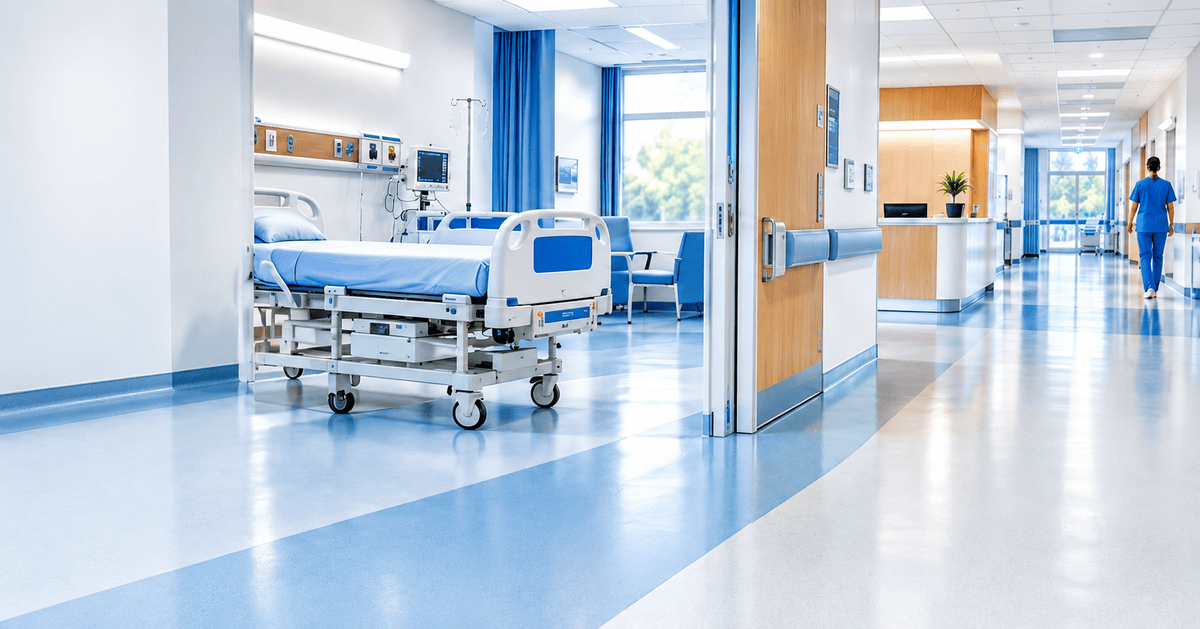
Best Flooring for Hospitals in India (2026): Types, Costs & NABH Requirements
In a hospital, the floor is not just a finish. It is part of infection control, patient safety and the building's running cost. Every day it takes trolley wheels, wheelchairs, spills, blood, disinfectants and thousands of footsteps. A wrong choice shows up fast: grout lines that hold bacteria, cracked tiles under stretchers, slippery corridors, or…
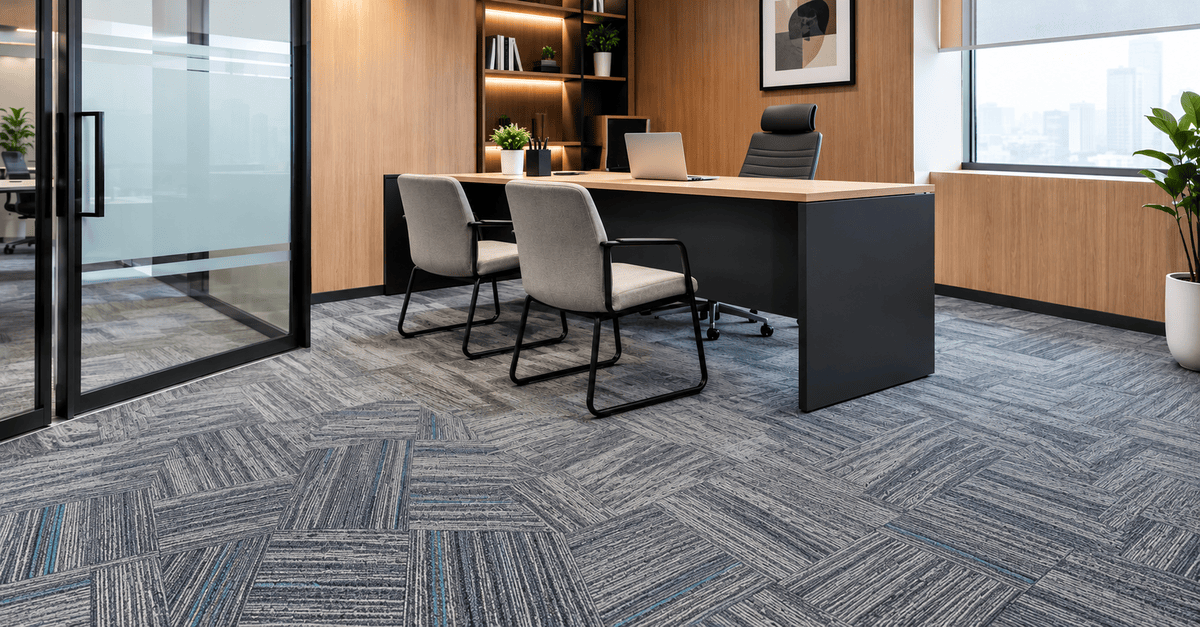
Which Flooring Is Best For Office Cabins?
When designing an office cabin, most people focus on furniture, lighting, wall colours, and storage. But have you thought about how much difference the flooring can make? The right flooring can make an office cabin look more professional, feel comfortable, and stay in good condition for years. Whether you're designing a manager's cabin, a director's…
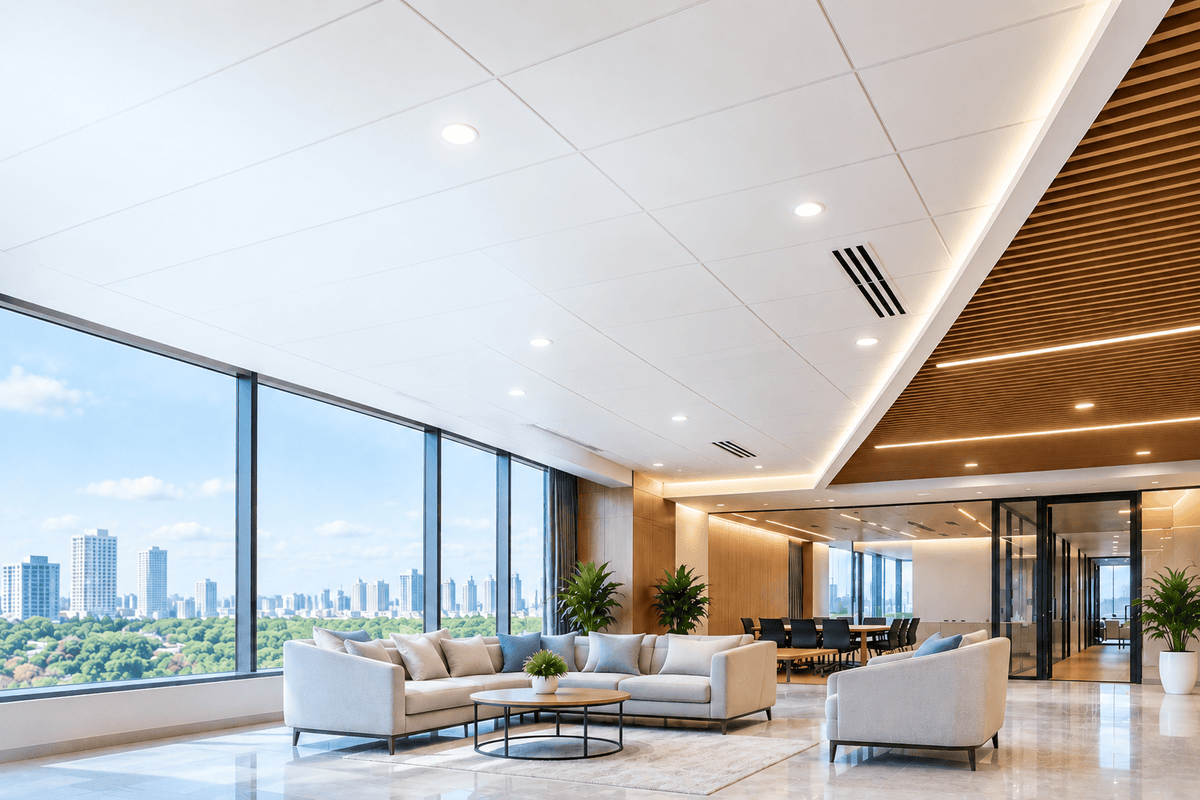
Best Ceiling Solutions In Delhi | CIPL Group
Choosing the best ceiling solutions in Delhi is an important step in creating functional, comfortable, and attractive interiors. Whether you are designing a corporate office, hotel, hospital, school, retail showroom, or residential property, the right ceiling system can improve the appearance of a space while helping manage lighting, acoustics, and building services. Today, architects, interior…