
How Office Lighting Impacts Employee Productivity & Comfort?
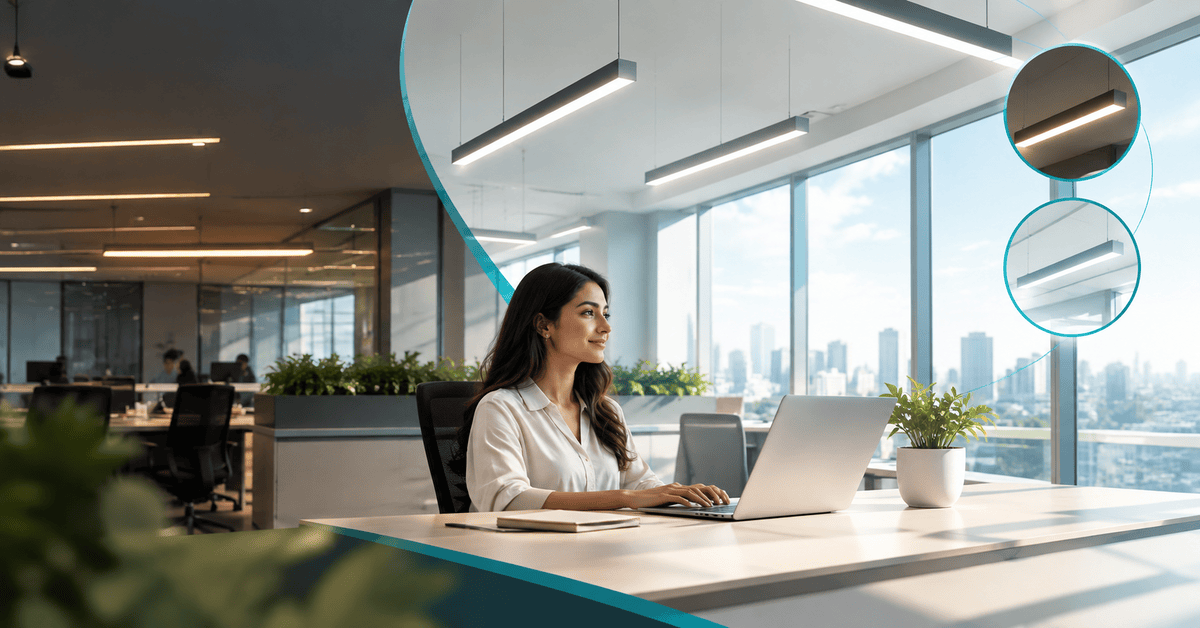
Office lighting plays a significant role in creating a productive, comfortable, and healthy work environment. From improving concentration to reducing eye strain, the right office lighting design can influence how employees feel and perform throughout the workday. Poor lighting, on the other hand, can cause visual discomfort, headaches, fatigue, and difficulty focusing on tasks.
As modern workplaces evolve, businesses are paying greater attention to workplace lighting, energy-efficient lighting solutions, and employee well-being. Whether it is a corporate office, a collaborative workspace, or a meeting room, choosing the right lighting system is essential for creating a functional and comfortable office interior.
Understanding how office lighting impacts employee productivity, comfort, and well-being can help businesses make informed decisions about their workplace design.
1. How Does Office Lighting Affect Employee Productivity?
Lighting conditions can influence visual performance, alertness, and the ease with which employees complete everyday tasks. A well-designed office lighting system provides sufficient illumination for reading, writing, computer work, and collaboration.
Improves Focus and Concentration
Proper office lighting helps employees see documents, screens, and work materials clearly. When lighting is appropriate for the task, employees can work more comfortably and maintain concentration without unnecessary visual effort.
Bright, evenly distributed lighting can be useful in areas that require detailed work, while softer lighting may be more suitable for informal collaboration spaces.
Reduces Workplace Fatigue
Poor lighting can make employees work harder to see, particularly when there is glare, insufficient illumination, or a strong contrast between a computer screen and its surroundings. These conditions may contribute to visual fatigue and discomfort.
A balanced office lighting design helps reducethese issues by providing consistent illumination across workstations.
Supports a Productive Work Environment
Different office activities require different lighting conditions. Task lighting, ambient lighting, and accent lighting can be combined to create a workplace that supports individual work, team discussions, and presentations.
The goal is to provide comfortable, functional lighting that supports employees throughout the workday.
2. The Role of Office Lighting in Employee Comfort
Employee comfort is an important part of workplace design. Lighting that is too bright, too dim, or unevenly distributed can make everyday office tasks uncomfortable.
Reduces Eye Strain and Headaches
One of the most common office lighting problems is glare from overhead lights, windows, and computer screens. Excessive brightness and reflections can make screens difficult to read and contribute to eye strain, headaches, and visual fatigue.
To improve visual comfort, businesses should consider:
- Installing low-glare LED office lighting.
- Using adjustable desk lamps for focused tasks.
- Positioning computer screens to minimise reflections.
- Using blinds or shades to control direct sunlight.
- Maintaining balanced illumination throughout the office.
These measures help create a more comfortable workspace for employees who spend long hours working on computers.
Creates a Balanced and Comfortable Environment
A comfortable office lighting design combines general illumination with task lighting and natural light. Instead of relying on a single overhead lighting system, businesses can use different lighting layers to suit the needs of each space.
For example, recessed lights or LED panel lights can provide general illumination, while desk lamps offer additional light for detailed work. This combination helps create a functional and visually balanced office environment.
3. How Does Office Lighting Affect Employee Well-Being?
Office lighting affects more than visibility. Exposure to natural light and the timing of artificial lighting can influence alertness, mood, and the body’s natural sleep-wake cycle.
Supports Mood and Mental Well-Being
Natural daylight can make an office feel more open and inviting. Access to windows and outdoor views, along with appropriate lighting, can contribute to a more comfortable indoor environment.
A well-lit workplace can also create a more pleasant atmosphere for employees, helping make the office feel welcoming rather than dull or uncomfortable.
Helps Maintain Alertness During the Workday
Light influences the body’s circadian rhythm, which regulates the sleep-wake cycle. Daytime exposure to natural light can support alertness, while poorly timed or excessive artificial lighting may interfere with evening relaxation.
Businesses can support employee well-being by maximising useful daylight during working hours and providing lighting that suits the activities taking place in each area.
Encourages a Healthier Workplace Experience
Employee well-being depends on several workplace factors, including ergonomics, indoor air quality, temperature, and lighting.
Lighting that is comfortable, adjustable, and appropriate for the task can help employees feel more at ease in their work environment. Giving employees some control over local lighting can also improve their satisfaction with the workspace.
4. Different Types of Office Lighting and Their Benefits
Choosing the right type of lighting is essential for creating a productive and comfortable workplace. A combination of lighting solutions can meet the needs of different office areas.
1. Ambient Lighting
Ambient lighting provides general illumination across the office. LED panel lights, recessed ceiling lights, and indirect lighting systems are commonly used to create consistent brightness throughout work areas.
2. Task Lighting
Task lighting provides focused illumination for activities such as reading, writing, and detailed computer work. Adjustable desk lamps and dedicated workstation lights help employees customise their lighting.
3. Accent Lighting
Accent lighting highlights architectural features, decorative elements, and branding. It is often used in reception areas, breakout spaces, and meeting rooms to create visual interest.
4. Natural Lighting
Natural lighting uses daylight from windows, skylights, and other openings. Thoughtful office layout, window treatments, and glare control help maximise daylight while maintaining visual comfort.
5. Best Office Lighting Design Practices for a Productive Workplace
A well-planned office lighting system should consider the layout, employee activities, natural light availability, and energy efficiency.
Here are some practical office lighting design tips:
Choose the Right Brightness
Office lighting requirements vary depending on the activity. General office work often uses illumination levels around 300–500 lux at the work area, although the appropriate level depends on the task and applicable standards.
Select Suitable Colour Temperature
Colour temperature affects the appearance of light and the atmosphere of a space.
- Warm white lighting: Creates a relaxed atmosphere for lounges and breakout areas.
- Neutral white lighting: Often suitable for workstations and collaborative spaces.
- Cool white lighting: Can be used in areas requiring a brighter, more clinical appearance, depending on the task.
The best colour temperature depends on the space, the task, and employee preferences.
Use Energy-Efficient LED Lighting
LED office lighting offers an energy-efficient alternative to many traditional lighting technologies. Businesses can consider LED panel lights, LED downlights, and other efficient fixtures to reduce electricity consumption while maintaining suitable illumination.
Combining LED lighting with occupancy sensors, daylight sensors, and lighting controls can further help manage energy use.
Plan Lighting Alongside Office Interiors
Office lighting should be considered during the early stages of office interior design. Ceiling layouts, workstation positions, furniture placement, wall finishes, and lighting fixtures all influence how light is distributed.
Coordinating lighting with ceiling systems and other interior building materials helps create a cohesive, functional, and visually appealing workplace.
6. How to Choose the Right Office Lighting Solutions?
Selecting the right office lighting solutions involves more than choosing fixtures based on appearance. Businesses should evaluate their workspace requirements and consider the following factors:
- Workspace requirements: Identify the lighting needs of workstations, conference rooms, reception areas, and corridors.
- Glare control: Select suitable fixtures and plan workstation layouts to minimise reflections and direct glare.
- Energy efficiency: Consider LED lighting and automated controls to manage energy consumption.
- Employee preferences: Provide adjustable lighting where practical to accommodate different visual needs.
- Maintenance: Choose durable, easy-to-maintain fixtures that support consistent lighting performance.
Working with experienced interior solution providers can help businesses coordinate lighting with ceilings, flooring, furniture, and other workplace materials.
Conclusion
Office lighting is an important element of a productive, comfortable, and employee-friendly workplace. The right lighting design can support visual comfort, reduce glare, improve the working environment, and contribute to employee well-being.
By combining natural light, ambient lighting, task lighting, and energy-efficient LED office lighting, businesses can create functional workspaces that meet the needs of modern employees.
At CIPL Group, businesses can explore a range of commercial interior building materials and workplace solutions to support thoughtfully designed office environments. From ceiling systems and flooring to furniture solutions, choosing the right materials and coordinating them with a well-planned lighting strategy can help create a modern, comfortable, and efficient workplace.
Frequently Asked Questions
How Does Office Lighting Affect Employee Productivity?
Proper office lighting improves visibility, supports concentration, and helps employees perform daily tasks comfortably. Poor lighting can contribute to eye strain, fatigue, and difficulty focusing, which may affect productivity.
What Is the Best Lighting for an Office?
LED lighting with balanced brightness and low glare is a popular choice for offices. Combining ambient lighting, task lighting, and natural daylight can create a comfortable and functional work environment.
How Many Lux Are Required for Office Lighting?
General office work commonly uses around 300–500 lux at the work surface. The appropriate illumination level depends on the type of work, visual requirements, and applicable lighting standards.
Does Office Lighting Affect Employee Well-Being?
Yes. Lighting can influence visual comfort, alertness, mood, and the body’s natural sleep-wake cycle. Access to natural daylight and comfortable artificial lighting can support a healthier workplace environment.
What Is the Best Colour Temperature for Office Lighting?
A colour temperature of around 3500K–4000K is commonly used for office workspaces because it provides a neutral white appearance. The ideal choice depends on the task, office design, and employee preferences.
Is Natural Light Better Than Artificial Lighting in an Office?
Natural light can support visual comfort and the body’s circadian rhythm. However, artificial lighting is necessary when daylight is insufficient.
Recommeded Blogs

Best Flooring for Hospitals in India (2026): Types, Costs & NABH Requirements
In a hospital, the floor is not just a finish. It is part of infection control, patient safety and the building's running cost. Every day it takes trolley wheels, wheelchairs, spills, blood, disinfectants and thousands of footsteps. A wrong choice shows up fast: grout lines that hold bacteria, cracked tiles under stretchers, slippery corridors, or…
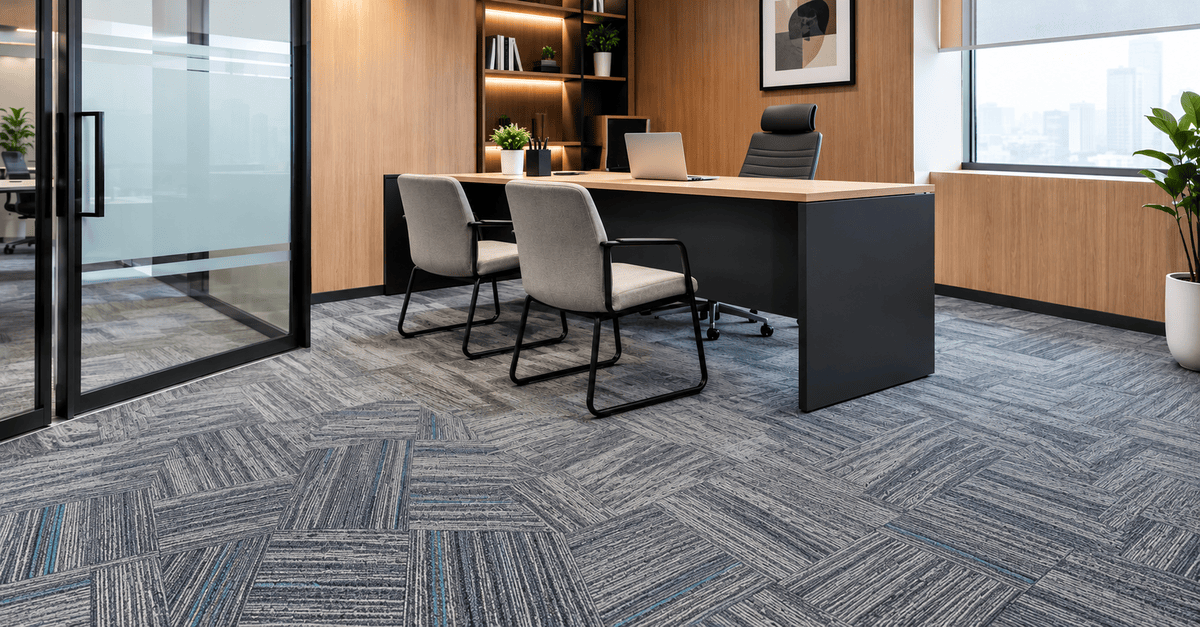
Which Flooring Is Best For Office Cabins?
When designing an office cabin, most people focus on furniture, lighting, wall colours, and storage. But have you thought about how much difference the flooring can make? The right flooring can make an office cabin look more professional, feel comfortable, and stay in good condition for years. Whether you're designing a manager's cabin, a director's…
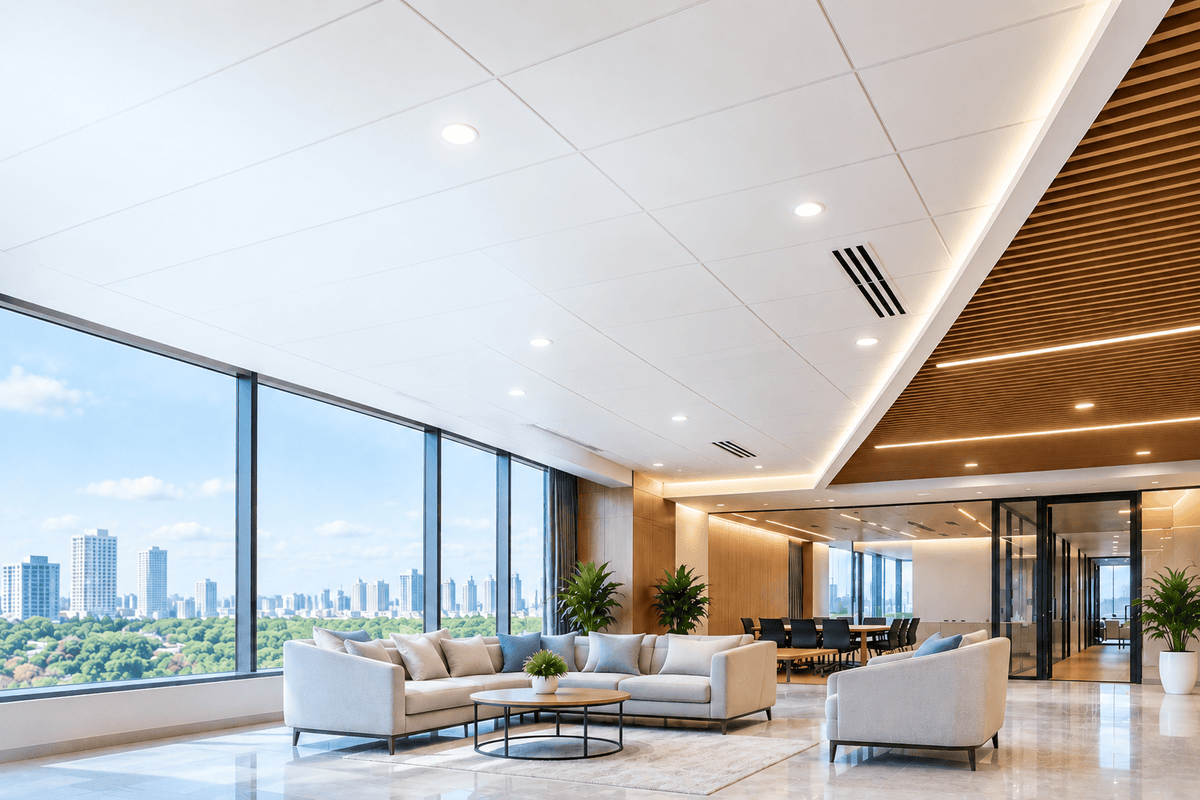
Best Ceiling Solutions In Delhi | CIPL Group
Choosing the best ceiling solutions in Delhi is an important step in creating functional, comfortable, and attractive interiors. Whether you are designing a corporate office, hotel, hospital, school, retail showroom, or residential property, the right ceiling system can improve the appearance of a space while helping manage lighting, acoustics, and building services. Today, architects, interior…