
Open Ceiling vs Acoustic Ceiling: Which Is The Right Choice?
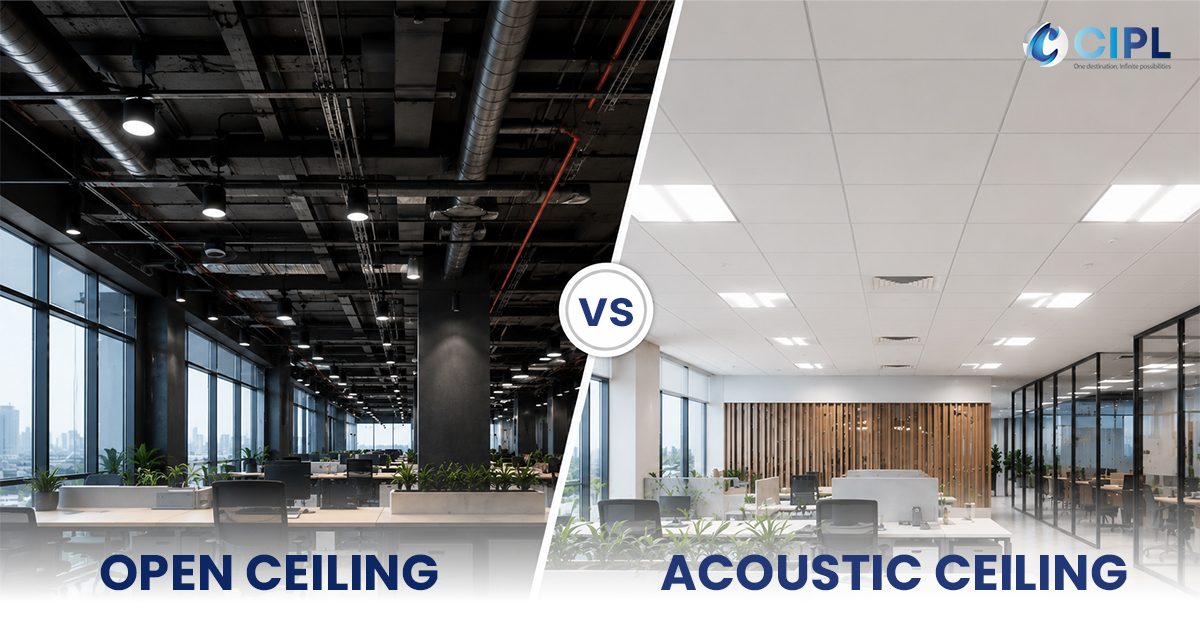
In today’s commercial interiors, the ceiling is no longer just a finishing element. It plays a major role in workplace aesthetics, employee comfort, acoustics, energy efficiency, and overall user experience. As businesses invest in smarter workspaces, architects and facility managers often face an important question: Open Ceiling vs Acoustic Ceiling – which is the right choice for your project?
Whether you are designing a corporate office, educational facility, healthcare space, retail showroom, or co-working hub, selecting the right ceiling system can significantly impact functionality and long-term value.
This guide compares open ceilings and acoustic ceilings in detail, helping decision-makers choose the best solution based on performance, appearance, maintenance, and business requirements.
Understanding Open Ceilings
An open ceiling design leaves structural components such as ducts, pipes, beams, cable trays, and HVAC systems exposed rather than concealing them behind a traditional false ceiling.
This approach has become increasingly popular in modern commercial architecture due to its industrial and contemporary appearance.
What Are The Key Features of Open Ceilings?
- Exposed building services
- Greater visual height
- Modern industrial aesthetics
- Easier access for maintenance
- Reduced ceiling material usage
- Suitable for creative workspaces
Many technology companies, co-working spaces, startups, and modern retail environments prefer open ceilings because they create a spacious and contemporary atmosphere.
What Is an Acoustic Ceiling?
An Acoustic Ceiling is specifically designed to absorb sound and control noise levels within a building. These ceilings use specialised ceiling materials that improve speech clarity, reduce echo, and create a more comfortable indoor environment.
Common acoustic ceiling systems include:
- Mineral fibre ceilings
- Metal acoustic ceilings
- PET acoustic panels
- Gypsum acoustic systems
- Knauf ceiling solutions
- Danoline ceiling systems
- Acoustic baffle ceilings
- Acoustic cloud ceilings
Unlike open ceilings, acoustic ceilings focus on performance as much as aesthetics.
Why Acoustic Performance Matters in Commercial Spaces?
Modern workplaces are becoming more collaborative. While open office layouts encourage teamwork, they often create excessive noise.
Common workplace acoustic issues include:
- Employee distractions
- Reduced productivity
- Poor speech privacy
- Echo and reverberation
- Meeting room disturbances
- Client communication challenges
A well-designed Acoustic Ceiling helps create a productive environment where employees can concentrate and communicate effectively.
Studies consistently show that noise is one of the most common workplace complaints in open-plan offices.
Open Ceiling vs Acoustic Ceiling: Quick Comparison
| Feature | Open Ceiling | Acoustic Ceiling |
|---|---|---|
| Appearance | Industrial, modern | Clean, professional |
| Sound Control | Low | Excellent |
| Speech Privacy | Poor | High |
| Maintenance Access | Easy | Moderate |
| Noise Reduction | Minimal | Significant |
| Workplace Comfort | Moderate | High |
| Installation Cost | Variable | Variable depending on the system |
| Corporate Office Suitability | Limited | Excellent |
| Sustainability Options | Available | Available |
| Long-Term Productivity Benefits | Lower | Higher |
Acoustic Ceiling Advantages for Commercial Projects
Superior Noise Reduction
The biggest advantage of an Acoustic Ceiling is its ability to absorb unwanted sound.
High-quality systems with strong NRC (Noise Reduction Coefficient) ratings can significantly reduce sound reflections within a space.
This is particularly valuable for:
- Corporate offices
- Conference rooms
- Educational institutions
- Healthcare facilities
- Customer service centres
Improved Employee Productivity
Noise distractions can affect concentration and efficiency.
Acoustic ceilings create a quieter environment where employees can focus better, resulting in improved workplace performance.
Professional Appearance
Acoustic ceiling systems offer a refined and sophisticated look suitable for premium commercial environments.
Available designs include:
- Linear ceilings
- Baffle ceilings
- Modular suspended ceilings
- Metal ceilings
- Mineral fibre ceilings
- Perforated gypsum ceilings
Many of today’s Trending False Ceiling Design concepts combine acoustic performance with contemporary aesthetics.
Better Meeting Room Performance
Boardrooms and meeting rooms require speech clarity.
Acoustic ceilings help prevent sound reflections, ensuring conversations remain clear during presentations, video conferences, and client meetings.
What Are The Benefits of Open Ceilings?
While acoustic ceilings provide superior sound performance, open ceilings also offer unique advantages.
Modern Industrial Design
Open ceilings create a contemporary architectural character that appeals to creative industries.
Easy Access to Building Services
Maintenance teams can access electrical, mechanical, and HVAC systems more easily without removing ceiling panels.
Perception of Larger Spaces
Exposed ceilings create greater visual height and openness.
This can make smaller commercial spaces feel larger and more spacious.
The Role of NRC Ratings in Acoustic Ceilings
When evaluating acoustic solutions, professionals often look at NRC ratings.
What Is NRC?
NRC (Noise Reduction Coefficient) measures how much sound a material absorbs.
The higher the NRC rating, the better the sound absorption.
Typical NRC Values
| Ceiling Material | Typical NRC Range |
| Concrete Ceiling | 0.00–0.05 |
| Open Ceiling | 0.05–0.15 |
| Mineral Fibre Ceiling | 0.55–0.90 |
| Acoustic Baffles | 0.80–1.00 |
For offices and commercial interiors, higher NRC values generally contribute to better acoustic comfort.
Popular Acoustic Ceiling Materials
Selecting the right ceiling materials is critical for long-term performance.
Mineral Fibre Ceiling
One of the most commonly used commercial ceiling solutions.
Benefits include:
- Excellent acoustics
- Fire resistance
- Cost efficiency
- Easy maintenance
Knauf Ceiling Systems
Knauf ceiling products are widely used in modern commercial projects due to their performance, durability, and design flexibility.
Suitable for:
- Corporate offices
- Educational facilities
- Healthcare environments
Danoline Ceiling Systems
Danoline ceiling solutions are known for combining aesthetics with superior acoustic performance.
Architects often specify Danoline systems for premium commercial interiors where both appearance and functionality matter.
Acoustic Ceiling Applications
Corporate Offices
Acoustic ceilings improve concentration and employee satisfaction while enhancing workspace aesthetics.
Educational Institutions
Classrooms require clear communication between teachers and students.
Acoustic ceilings help improve speech intelligibility.
Healthcare Facilities
Hospitals and clinics benefit from quieter environments that support patient comfort.
Retail Spaces
Acoustic solutions help create more pleasant shopping experiences.
Hospitality Projects
Hotels and conference facilities require effective noise management for guest satisfaction.
False Ceiling Material List For Commercial Projects
A typical false ceiling material list may include:
- Mineral fibre tiles
- Gypsum boards
- Metal ceiling panels
- PET acoustic panels
- Suspension grid systems
- Acoustic insulation
- Baffle ceiling systems
- Perforated ceiling panels
- Fasteners and accessories
Selecting the right materials depends on project objectives, budget, acoustic requirements, and design preferences.
Why Businesses Are Moving Toward Acoustic Ceilings?
Commercial real estate trends increasingly focus on occupant wellness and productivity.
Businesses are recognising that workplace design directly impacts employee experience.
An Acoustic Ceiling contributes to:
- Better focus
- Reduced stress
- Improved communication
- Enhanced workplace satisfaction
- Stronger professional image
These factors make acoustic ceilings a strategic investment rather than simply an architectural feature.
Sustainability Considerations
Sustainability has become a major decision factor for commercial projects.
Modern acoustic ceiling systems offer:
- Recycled material content
- Long product life cycles
- Low VOC emissions
- Improved indoor environmental quality
- Energy-efficient integration with lighting systems
Many green building certifications recognize acoustic comfort as part of occupant well-being.
Choosing The Right Interior Building Material Supplier In Delhi
The quality of products and installation expertise significantly impacts ceiling performance.
When selecting an interior building material supplier in Delhi, consider:
- Product portfolio
- Brand partnerships
- Technical support
- Project experience
- Installation capabilities
- Warranty support
- Acoustic expertise
Working with an experienced supplier ensures the ceiling system performs as intended throughout its lifecycle.
Open Ceiling or Acoustic Ceiling: Which Should You Choose?
The answer depends on your project goals.
Choose an Open Ceiling if:
- Industrial aesthetics are the priority
- Noise control is not critical
- Easy maintenance access is required
- The space has lower occupancy levels
Choose an Acoustic Ceiling if:
- Employee productivity matters
- Noise reduction is important
- A professional appearance is required
- Speech privacy is necessary
- Long-term occupant comfort is a priority
For most corporate offices, educational facilities, healthcare environments, and commercial interiors, acoustic ceilings typically deliver greater long-term value.
Conclusion
The debate between Open Ceiling vs Acoustic Ceiling ultimately comes down to balancing aesthetics with performance.
Open ceilings create a modern architectural statement, but they often struggle with noise control in busy commercial environments.
An Acoustic Ceiling, on the other hand, enhances productivity, improves employee comfort, supports workplace wellness, and creates a professional atmosphere that businesses increasingly demand.
As commercial spaces continue evolving toward occupant-focused design, acoustic performance is becoming a necessity rather than a luxury.
Partnering with experienced ceiling specialists can help ensure you select the right system for your project’s functional, aesthetic, and budget requirements.
Get Expert Advice For Your Commercial Ceiling Project
Looking for the ideal ceiling solution for your office, educational facility, healthcare project, or commercial building?
Our Team Can Help You With:
- Free consultation
- Site assessment
- Acoustic recommendations
- Ceiling material selection
- Product catalogues
- Installation guidance
Talk to Our Ceiling Experts today to discuss the best acoustic ceiling solutions for your project. Request a site visit and discover how the right ceiling system can transform workplace performance and aesthetics.
Frequently Asked Questions
What Is The NRC Rating of An Acoustic Ceiling?
NRC ratings vary by material, but many acoustic ceiling systems range between 0.55 and 1.00, offering effective sound absorption.
What Are The Best Ceiling Materials For Commercial Interiors?
Popular options include mineral fibre ceilings, PET acoustic panels, metal ceilings, Knauf ceiling systems, and Danoline ceiling products.
Are Acoustic Ceilings Fire-Resistant?
Many commercial acoustic ceiling systems offer fire-resistant properties. Specifications vary by product and manufacturer.
How Do I Choose The Right Ceiling Supplier?
Look for an experienced supplier with technical expertise, quality brands, installation support, and a proven commercial project portfolio.
Recommeded Blogs

Best Flooring for Hospitals in India (2026): Types, Costs & NABH Requirements
In a hospital, the floor is not just a finish. It is part of infection control, patient safety and the building's running cost. Every day it takes trolley wheels, wheelchairs, spills, blood, disinfectants and thousands of footsteps. A wrong choice shows up fast: grout lines that hold bacteria, cracked tiles under stretchers, slippery corridors, or…
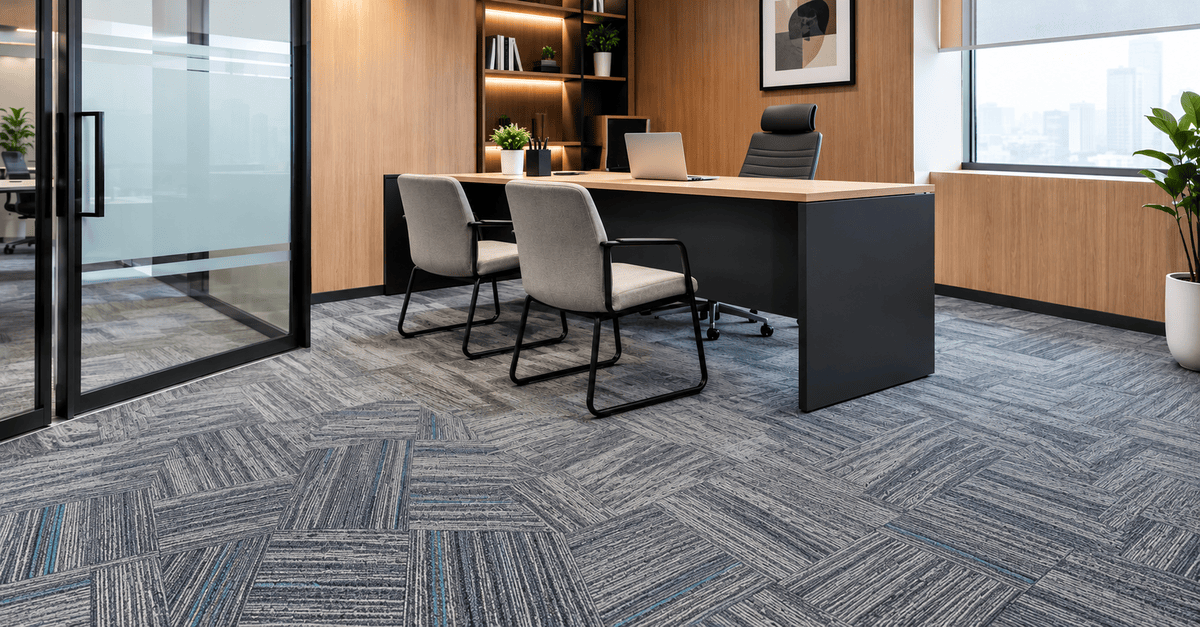
Which Flooring Is Best For Office Cabins?
When designing an office cabin, most people focus on furniture, lighting, wall colours, and storage. But have you thought about how much difference the flooring can make? The right flooring can make an office cabin look more professional, feel comfortable, and stay in good condition for years. Whether you're designing a manager's cabin, a director's…
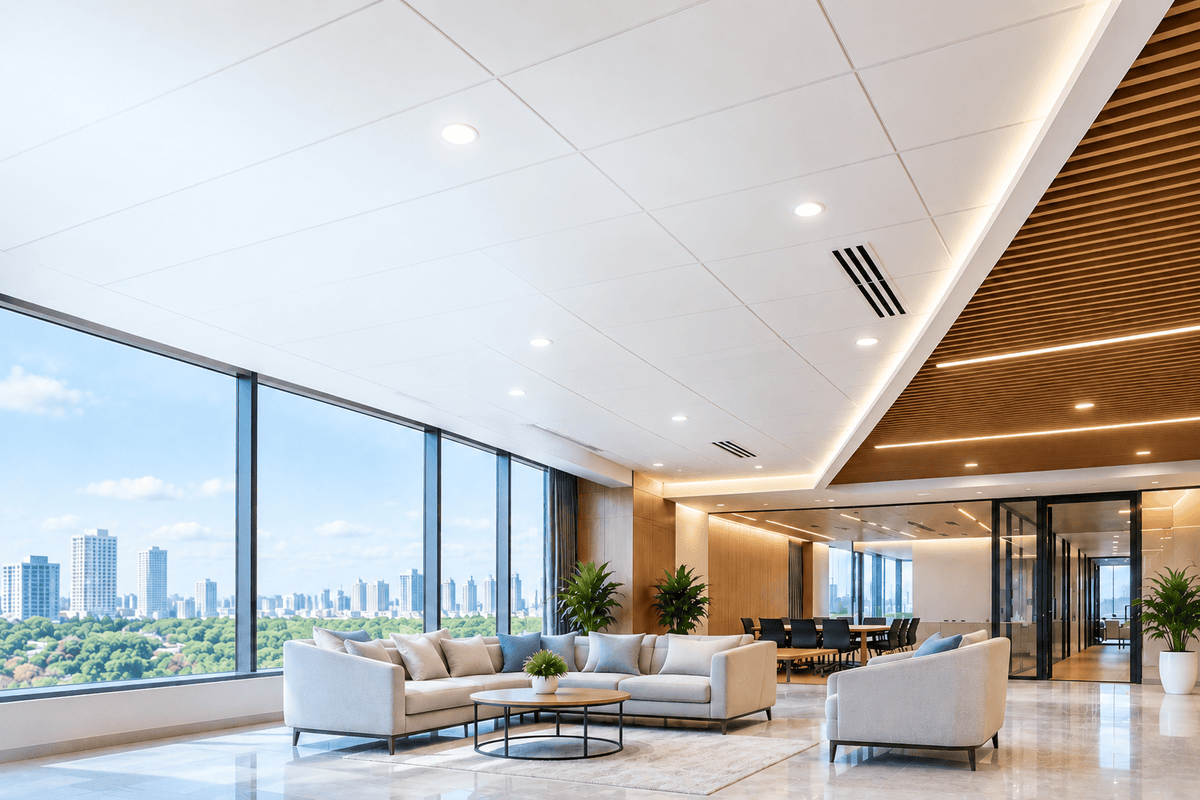
Best Ceiling Solutions In Delhi | CIPL Group
Choosing the best ceiling solutions in Delhi is an important step in creating functional, comfortable, and attractive interiors. Whether you are designing a corporate office, hotel, hospital, school, retail showroom, or residential property, the right ceiling system can improve the appearance of a space while helping manage lighting, acoustics, and building services. Today, architects, interior…