
2026 Restroom Trends: Smart Sensor Sanitaryware & Water Savings
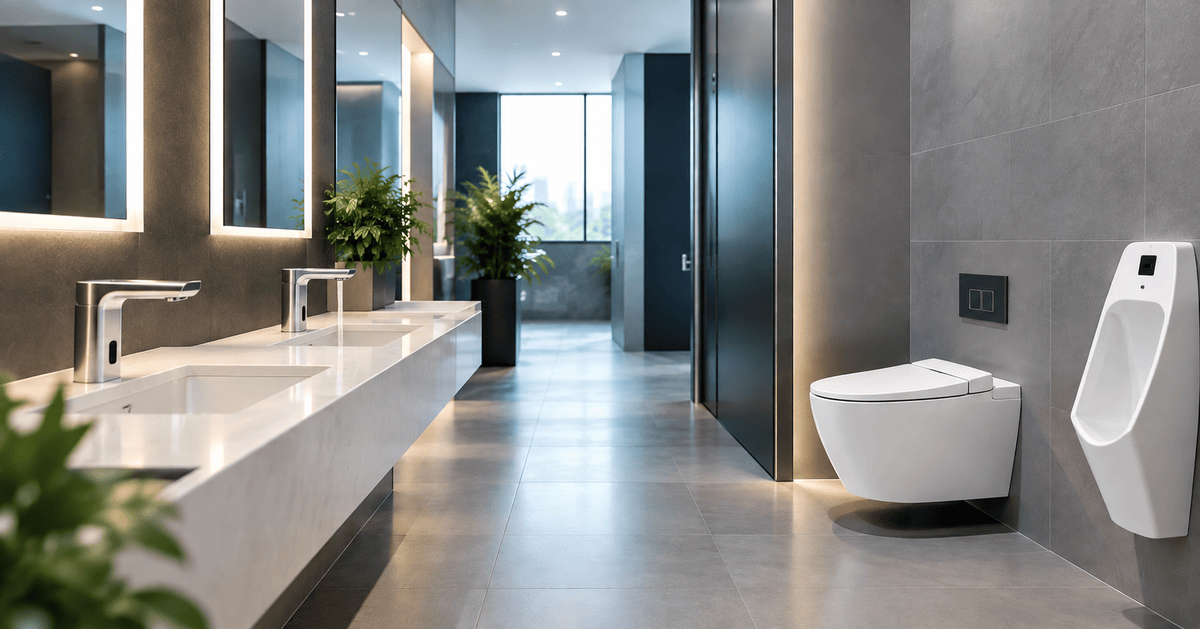
Restroom architecture in 2026 has shifted from a back-of-house utility to a primary benchmark for corporate wellness, sustainability compliance, and operational efficiency. For project management consultants (PMCs), MEP engineers, architects, and facility managers, washroom specifications directly determine everyday utility overheads and tenant satisfaction.
Manual lever taps left running, recurring flush valve breakdowns, and continuous fixture handling create unnecessary utility waste and maintenance headaches. Implementing smart sensor sanitaryware eliminates these issues by replacing high-touch manual fittings with automated, precision-calibrated systems that reduce water use while maintaining high hygiene standards.
As a single-source national distributor supplying certified materials across India, CIPL Group partners with premier global and domestic sanitaryware manufacturers including Kohler, Roca, Hindware Italian Collection, and Parryware to deliver water-efficient washroom solutions for modern developments.
1. Why Modern Restroom Architecture Is Going Touchless?
Manual washroom fittings introduce two major vulnerabilities: operational water waste and cross-surface microbial contamination.
In high-footfall restrooms—such as corporate IT parks in Bengaluru, airport terminals, healthcare facilities, or tier-1 co-working spaces—manual faucets are frequently left running or fail to shut off fully due to worn mechanical cartridges. A single leaking or running tap can waste thousands of liters of treated water each month.
| Manual Restroom Pitfalls | Smart Sensor Solutions |
|---|---|
| Continuous contact transmission | Zero-contact infrared activation |
| Dripping, unclosed manual taps | Auto-timed shutoff (0.5–1.9 LPM) |
| High valve wear & maintenance | Solid-state solenoid valves |
| Elevated utility & pump costs | 40% to 70% net water reduction |
Integrating touchless infrared (IR) sensor faucets, capacitive urinal flushers, and electronic water closets (WCs) transforms the user experience while creating an automated barrier against surface germ transmission.
2. Water-Saving Technology: Flow Dynamics & Low-Flow Engineering
Upgrading to sensor-based fixtures is not just about automation; it is about controlled flow management. High-performance sensor taps combine rapid-response solenoids with specialized aerator tech to maintain effective rinsing pressure while minimizing discharge volume.
Flow Rate Benchmarks: Manual vs. Smart Sensors
- Standard Manual Basin Taps: Deliver between 6.0 to 9.0 Liters Per Minute (LPM).
- Smart Sensor Basin Faucets: Engineered to discharge 1.3 to 1.9 LPM using pressure-compensating aerators.
- Auto-Cutoff Windows: Factory-calibrated shut-off times limit water flow to 7–10 seconds per activation cycle, preventing intentional or accidental overflow.
The Urinal and WC Flush Equation
Traditional manual flush valves often stick open, draining hundreds of liters directly into sewer lines. Smart sensor urinals utilize active infrared beam detection with pre-flush and post-flush staging:
- Conventional Manual Flush: Discharges 3.0 to 4.5 Liters per flush.
- Smart Sensor Urinal Systems: Deliver micro-flushes of 0.5 to 0.8 Liters, cutting fixture water consumption by up to 80% without sacrificing trap-seal integrity.
3. Brand Engineering: Kohler, Roca, Hindware & Parryware
Selecting the right commercial fittings requires aligning brand capabilities with project footfall, water pressure profiles, and aesthetic targets. Through CIPL Group’s distribution network, specifiers gain direct access to verified commercial portfolios:
Kohler: Luxury Automation for Corporate & Hospitality Suites
For grade-A commercial developments and upscale hospitality projects, Kohler provides high-precision commercial sensor faucets and smart toilets. Featuring solid-brass cast bodies, commercial-grade ceramic disc valves, and Class 5 flushing systems, Kohler fittings combine clean design with durable internal mechanics. Their smart touchless taps include integrated mixing levers, allowing facility teams to set fixed water temperatures to prevent scalding.
Roca: European Design with Advanced Dual-Flush Efficiency
Roca is renowned for sleek, minimalist styling paired with water-saving innovation. Roca’s touchless sensor basin mixers feature self-calibrating infrared sensors that resist false-triggering from ambient reflections or stainless-steel finishes. Paired with Roca concealed cisterns and rimless wall-hung pans, these assemblies deliver dependable 3/4.5-liter dual flush performance for high-traffic layouts.
Hindware Italian Collection: High-Traffic Durability & Commercial Value
For mid-to-large corporate campuses, educational centers, and institutional facilities, the Hindware Italian Collection balances robust construction with accessible pricing. Their automatic sensor faucets and urinal flush valves feature heavy-duty chrome plating and vandal-resistant internal solenoid valves that withstand heavy continuous use and hard water conditions.
Parryware: Cost-Optimized Commercial Reliability
A long-standing staple in Indian commercial plumbing, Parryware offers practical touchless fixtures designed for airports, transit hubs, and public washrooms. Engineered with accessible battery housings and heavy-duty brass alloys, Parryware sensor faucets provide dependable service life in demanding environments.
| Manufacturer | Key Architectural Advantage | Ideal Commercial Application |
|---|---|---|
| Kohler | Precision luxury, smart presets | Executive cabins, 5-star hotels |
| Roca | European aesthetics, rimless WCs | Grade-A tech parks, retail spaces |
| Hindware Italian Collection | Heavy-duty build, value balance | IT towers, corporate offices |
| Parryware | High durability, easy maintenance | Transit hubs, public buildings |
4. Calculating the ROI: Water Savings & Payback Metrics
Upfront procurement costs for electronic sensor fittings are higher than basic manual bib-taps. However, a lifecycle return-on-investment (ROI) analysis shows that smart washroom infrastructure quickly pays for itself.
Case Scenario: 500-Employee Corporate Floorplate
- Basin Usage: 1,500 daily handwash cycles.
- Manual Faucet (7.0 LPM average, 15 sec/wash): 2,625 liters/day $\rightarrow$78,750 liters/month.
- Smart Sensor Tap (1.5 LPM aerator, 8 sec/wash): 300 liters/day $\rightarrow$9,000 liters/month.
- Direct Water Savings:69,750 liters/month (88% reduction in tap water use).
| Parameter | Conventional Manual Setup | Smart Sensor Installation |
|---|---|---|
| Basin Flow Rate | 6.0–9.0 LPM | 1.3–1.9 LPM |
| Urinal Flush Volume | 3.0–4.5 Liters | 0.5–1.0 Liters |
| Vandalism / Handle Snapping | High incidence rate | Zero (Hands-free operation) |
| Payback Horizon | N/A (Continuous expense) | 8 to 14 months on average |
Beyond raw water costs, lower water consumption directly reduces the electricity needed for submersible pumping, hydro-pneumatic boosting, and on-site sewage treatment plant (STP) processing.
5. LEED, WELL, and IGBC Green Building Compliance
Green building programs award points for verified reductions in potable water consumption:
- LEED v4.1 / v5 (Indoor Water Use Reduction): Prerequisite baselines require a minimum 20% reduction over standard plumbing baselines, with exemplary points awarded for reaching 40% to 50% potable water savings.
- WELL Standard (Hygiene & Water Quality): Emphasizes hands-free activation to minimize microbial recontamination following proper handwashing hygiene.
- IGBC Green New Buildings: Requires low-flow plumbing fixtures, dual-flush cisterns, and water-conserving sensor urinals to hit peak operational ratings.
Specifying certified commercial models from brands like Kohler, Roca, and Hindware helps projects secure maximum sustainability credits.
6. Specifier’s MEP Checklist: Power, Water Quality & Maintenance
To avoid on-site installation failures and maintenance bottlenecks, MEP consultants and plumbing contractors should follow three core guidelines:
- Power Configuration (AC Mains vs. DC Battery):
- High-Traffic Public Spaces: Choose AC mains power with central 24V step-down transformers and battery backups. This eliminates the need for recurring battery replacements across hundreds of fixtures.
- Retrofits & Low-Medium Traffic: Standard 6V CR-P2 or AA lithium battery packs offer 200,000 to 400,000 operating cycles (typically 2 to 3 years of service).
- Upstream Filtration:
- Fine suspended solids and high TDS can clog internal pilot holes in solenoid diaphragms. Always specify 80-to-100 mesh inline strainers immediately preceding individual fixture shut-off angles.
- Concealed Cistern Integration:
- Pair sensor WCs with durable HDPE in-wall concealed cisterns from brands like Kohler or Roca. Ensure the front actuator push plate remains accessible as an inspection hatch for quick servicing of inlet valves.
Why Sourcing Through CIPL Group Simplifies Restroom Fit-Outs?
Managing procurement across multiple plumbing brands, framing supplies, and sanitary fitting vendors can lead to project delays and incompatible components.
CIPL Group serves as a complete distribution partner for India’s building and interiors sector:
- Authorized Brand Access: Direct supply lines for Kohler, Roca, Hindware Italian Collection, and Parryware, ensuring 100% genuine products with full manufacturer warranties.
- System-Level Coordination: Sourcing sanitaryware, matching concealed cisterns, and moisture-resistant ceiling substrates together under one coordinated delivery schedule.
- Pan-India Supply Footprint: Timely logistics support for projects in Delhi-NCR, Mumbai, Bengaluru, Hyderabad, and tier-2 growth hubs.
Frequently Asked Questions
How Much Water Can Smart Sensor Faucets Realistically Save?
Smart sensor basin faucets cut water consumption by 40% to 70% compared to standard manual taps by using low-flow aerators (1.3–1.9 LPM) and automatic shut-off timers that stop water flow as soon as hands leave the detection field.
Are Sensor Taps Powered By Batteries Or AC Electrical Lines?
Most commercial lines from manufacturers like Kohler, Roca, Hindware, and Parryware offer both options. High-traffic commercial projects typically use AC mains connections with central transformers, while retrofits use internal lithium battery packs that last 2 to 3 years.
What Happens If A Sensor Tap Loses Electrical Power?
Sensor faucets utilize spring-loaded normally-closed solenoid valves. If power is interrupted or batteries run out, the valve defaults to the closed position, preventing water overflow.
Do Sensor Sanitaryware Fittings Help Earn LEED Or IGBC Green Points?
Yes. Smart sensor fixtures with low-flow aerators and low-consumption urinal valves help projects earn credits under the Water Efficiency and Indoor Environmental Quality categories for LEED, WELL, and IGBC certifications.
How Do Maintenance Teams Service Concealed Cisterns And Sensor Valves?
Concealed cisterns are designed for easy maintenance through the front flush plate aperture. Solenoid valves and filters on sensor faucets can be cleaned or serviced directly from beneath the basin vanity via the angle-stop connection.
Can Sensor Sanitaryware Handle High-TDS Or Hard Water?
Yes, but upstream filtration is essential. Installing inline Y-strainers stops sediment and scale from blocking the solenoid valve’s pilot channels.
Optimize Your Washroom Specification
Upgrading to smart sensor sanitaryware delivers long-term water savings, reduced maintenance overhead, and elevated hygiene standards across your commercial developments.
CIPL Group assists architects, PMCs, and contractors in selecting and supplying compliant sanitaryware and architectural fixtures tailored to modern project requirements.
- Get Free Consultation: Discuss project specifications with our sanitaryware technical team.
- Request a Site Visit: Schedule an assessment for commercial restroom fit-outs.
- Download Product Catalogue: Browse our complete portfolio of commercial fittings and building materials.
Recommeded Blogs

Best Flooring for Hospitals in India (2026): Types, Costs & NABH Requirements
In a hospital, the floor is not just a finish. It is part of infection control, patient safety and the building's running cost. Every day it takes trolley wheels, wheelchairs, spills, blood, disinfectants and thousands of footsteps. A wrong choice shows up fast: grout lines that hold bacteria, cracked tiles under stretchers, slippery corridors, or…
Which Flooring Is Best For Office Cabins?
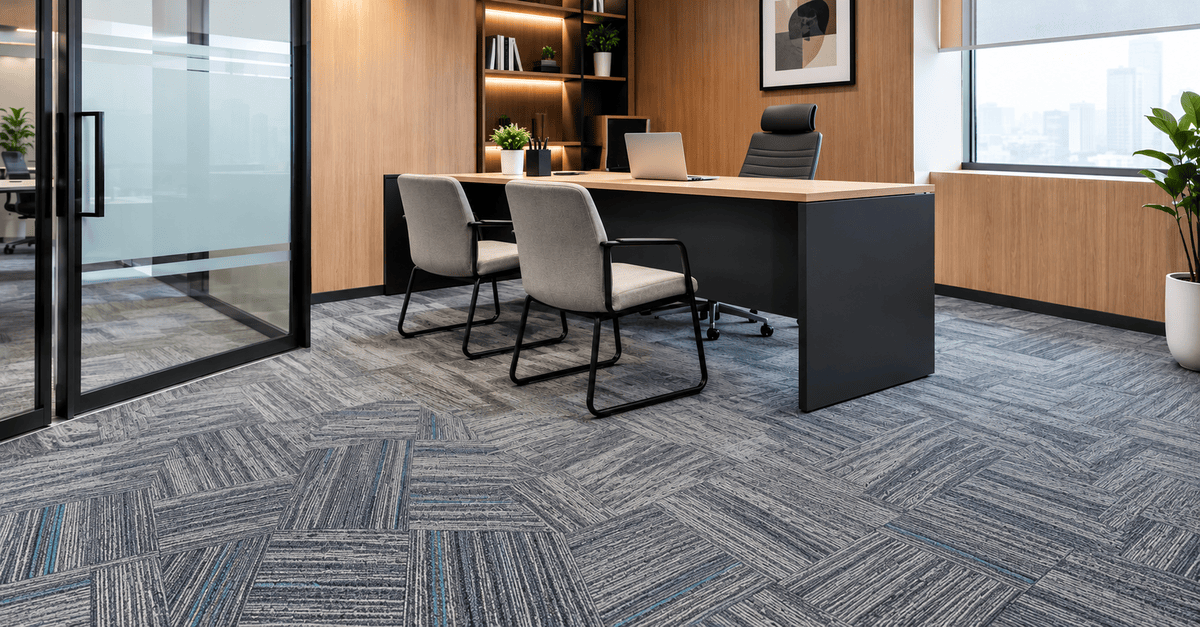
When designing an office cabin, most people focus on furniture, lighting, wall colours, and storage. But have you thought about how much difference the flooring can make? The right flooring can make an office cabin look more professional, feel comfortable, and stay in good condition for years. Whether you're designing a manager's cabin, a director's…

Best Ceiling Solutions In Delhi | CIPL Group
Choosing the best ceiling solutions in Delhi is an important step in creating functional, comfortable, and attractive interiors. Whether you are designing a corporate office, hotel, hospital, school, retail showroom, or residential property, the right ceiling system can improve the appearance of a space while helping manage lighting, acoustics, and building services. Today, architects, interior…