
Best Lighting Solutions For Corporate Offices In 2026
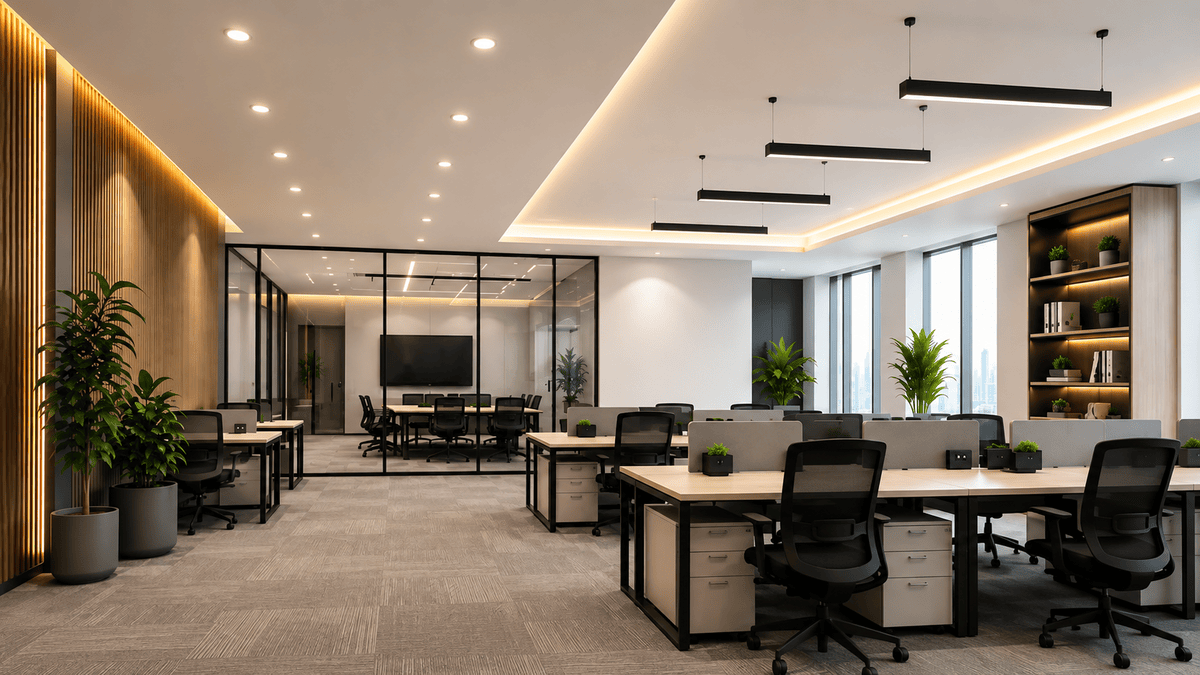
The modern Indian corporate landscape is evolving rapidly, with offices transforming into experiential spaces that promote collaboration, employee well-being, and strong brand identity. While layouts and furniture often take the spotlight, acoustics and illumination are equally crucial to workplace performance. By integrating high-quality building materials from CIPL Group, including acoustic ceiling systems, mineral fibre tiles, and gypsum solutions, businesses can create offices that are visually appealing, comfortable, and designed for enhanced productivity.
Choosing the right lighting solutions is no longer just about visibility it is a strategic business decision. The interaction between light, suspended ceiling systems, and spatial design directly impacts employee well-being, operational costs, and the overall premium feel of a workspace. For architects, builders, and corporate decision-makers, mastering this balance is key to delivering high-performance commercial interiors.
The Core Problem with Traditional Office Lighting
Walk into any outdated commercial building in India, and you will likely find the same glaring issue: harsh, flickering fluorescent troffers recessed into a cracked mineral fibre ceiling. This outdated approach introduces several liabilities for modern businesses:
- The “Grit and Glare” Effect: Traditional fixtures create intense localised hot spots and severe screen glare, leading to eye strain, migraines, and decreased workplace productivity.
- Visual Disconnect: Homogeneous, flat lighting ignores the psychological needs of employees who thrive under dynamic, natural light layers.
- Acoustic Neglect: Standard lighting layouts often puncture acoustic ceilings indiscriminately, creating sound leaks that compromise speech privacy and focus.
By shifting toward integrated, intelligent lighting solutions, commercial property owners can transform these pain points into tangible assets: reduced absenteeism, enhanced brand equity, and lower utility bills.
Crucial Factors for Commercial Office Lighting Design
Before you install lighting fixtures across a floor plate, a strategic framework must be established. High-end commercial interior design relies on balancing technical metrics with human-centric design.
1. Illuminance and Lux Levels
Different zones demand different light intensities. According to Bureau of Indian Standards (BIS) guidelines, standard workstation areas require an average of 300 to 500 lux. Conversely, detailed drafting zones or boardrooms may require up to 750 lux, while corridors and breakout lounges perform beautifully at 150 to 200 lux.
2. Unified Glare Rating (UGR)
For spaces where employees spend 8+ hours looking at digital screens, maintaining a UGR of less than 19 is non-negotiable. Lower UGR ratings prevent visual fatigue and maintain a comfortable workplace experience.
3. Colour Rendering Index (CRI)
To ensure colours appear vibrant and true to life, commercial spaces should utilise fixtures with a CRI of 80 or higher. For creative agencies, architectural firms, and high-end executive boardrooms, a CRI of 90+ is preferred to highlight premium finishes and textures.
4. Colour Temperature (CCT)
The biological clock is deeply tied to light colour.
- 4000K – 5000K (Cool White): Ideal for open-plan workstations and task areas to promote alertness and focus.
- 3000K – 3500K (Warm/Neutral White): Perfect for cafeterias, reception areas, and breakout zones to encourage relaxation and conversation.
Top Lighting Solutions for Modern Indian Offices
Achieving a bright light environment without overwhelming the senses requires a tiered, layered approach. Here are the premium architectural lighting typologies dominating modern Indian workspaces.
1. Integrated LED Panels
The backbone of corporate real estate lighting, a modern LED panel offers seamless integration into standard 600x600mm modular ceiling grids.
- Why they work: They provide highly diffused, shadow-free illumination across expansive open floors.
- Best applications: General task areas, standard meeting rooms, and high-density operational zones.
- Acoustic tip: Pair them with high-NRC (Noise Reduction Coefficient) mineral fibre or glass-wool ceiling tiles to maintain acoustic dampening around the flat fixtures.
2. Linear Architectural Lighting
Linear profiles offer clean, continuous lines of light that can be recessed, surface-mounted, or suspended. They serve as an exceptional tool for spatial navigation, guiding the eye through corridors or defining open collaboration zones.
3. Suspended Acoustic Lighting
A major trend in premium Indian workplace design is the merging of illumination and sound absorption into a single fixture. Suspended PET felt acoustic luminaires hang gracefully between open-plenum ceiling baffles, tackling reverberation and dark spots simultaneously.
4. Smart Track Lighting
For executive cabins, lounge spaces, and reception areas, track systems offer unparalleled flexibility. Spotlights can be rotated and repositioned as furniture layouts change, allowing facilities managers to light up architectural feature walls, artwork, or company branding effortlessly.
Synergising Lighting with Acoustic Ceiling Systems
A common error during a commercial lighting installation is treating lighting and ceiling design as separate entities. In reality, they are deeply codependent. How light interacts with your ceiling material defines the spatial volume and acoustic comfort of the room.
The Power of Light Reflectance
Premium acoustic ceiling tiles boast high light reflectance percentages (often exceeding 85%). By using indirect or suspended up-lighting configurations, light bounces off the ceiling surface, scattering softly back down into the room. This eliminates harsh shadows, reduces the number of fixtures required, and slashes energy consumption.
Baffle Ceilings and Linear Illumination
In open-plenum, industrial-chic office designs, acoustic baffle ceilings (made of aluminium or felt) are highly sought after. Integrating slim linear LED profiles between these baffles creates a striking visual rhythm while hiding the raw concrete slab above. This configuration delivers crisp task lighting while the surrounding baffles absorb bouncing horizontal sound waves.
Comparison of Office Lighting Typologies
| Lighting Type | Ideal Ceiling System | Acoustic Impact | Best Sub-Application | Maintenance Profile |
|---|---|---|---|---|
| Recessed LED Panels | Modular Grid / Mineral Fibre | Minimal disruption if sealed properly | Open-plan workstations | Low; easy drop-in replacement |
| Suspended Linear Profiles | Open Plenum / Baffle Ceilings | None; hangs below the ceiling plane | Corridors, long collaborative desks | Medium; requires clean suspension wires |
| Acoustic Luminaires | Exposed Concrete / Raw Plaster | High adds direct sound absorption | Boardrooms, noisy huddle spaces | Low; dual-purpose durability |
| Directional Track Lights | Gypsum Board / Seamless Ceilings | Negligible | Reception desks, branding walls | Medium; occasional bulb/angle tweaks |
The Business Case: ROI of Smart Lighting Upgrades
Investing in a premium commercial interior fit-out is an exercise in maximising asset performance. Upgrading to intelligent, LED-based lighting infrastructure yields measurable financial and human returns.
- Drastic Energy Savings: Transitioning from older systems to solid-state LED panels reduces lighting energy overheads by up to 50–60%. When paired with daylight harvesting sensors, that number can climb even higher.
- Reduced HVAC Load: Traditional halogen or fluorescent fixtures generate significant heat. LEDs run remarkably cool, directly lowering the demand on your central air conditioning systems, a major operational cost factor across India’s tropical climates.
- Enhanced Workspace Attraction: Premium tenants and elite talent demand premium spaces. A beautifully illuminated, acoustically serene workspace acts as a silent closer during client acquisitions and talent recruitment drives.
Step-by-Step Guide to a Flawless Commercial Lighting Installation
Executing an office lighting overhaul requires meticulous planning to prevent costly mid-construction rectifications.
Phase 1: The Dialux Simulation
Before purchasing a single fixture, your commercial interior partner should run a comprehensive Dialux or Relux simulation. This software charts the exact layout of the floor plan, accounting for window placements and wall finishes, to map out precise lux levels and UGR zones across the office.
Phase 2: Structural Coordination
Ensure that the suspension framework for your acoustic ceiling does not conflict with the HVAC ducting or the lighting layout. Main runners and cross-tees must be laid out to cleanly accommodate recessed fixtures without compromising the structural integrity or load-bearing capacity of the grid.
Phase 3: Smart Controls Integration
Modern offices should leverage smart lighting control protocols like DALI (Digital Addressable Lighting Interface) or wireless Bluetooth mesh networks. These systems allow facility managers to program automated dimming schedules, set up motion-sensor zones for lesser-used corridors, and implement daylight harvesting near perimeter windows.
Frequently Asked Questions
Which Company Is Best For Lighting?
Which Lighting Brand Is Best?
Havells, Philips, Wipro, and Syska are among the best lighting brands, offering energy-efficient and durable lighting solutions for homes and businesses.
Recommeded Blogs

Best Flooring for Hospitals in India (2026): Types, Costs & NABH Requirements
In a hospital, the floor is not just a finish. It is part of infection control, patient safety and the building's running cost. Every day it takes trolley wheels, wheelchairs, spills, blood, disinfectants and thousands of footsteps. A wrong choice shows up fast: grout lines that hold bacteria, cracked tiles under stretchers, slippery corridors, or…
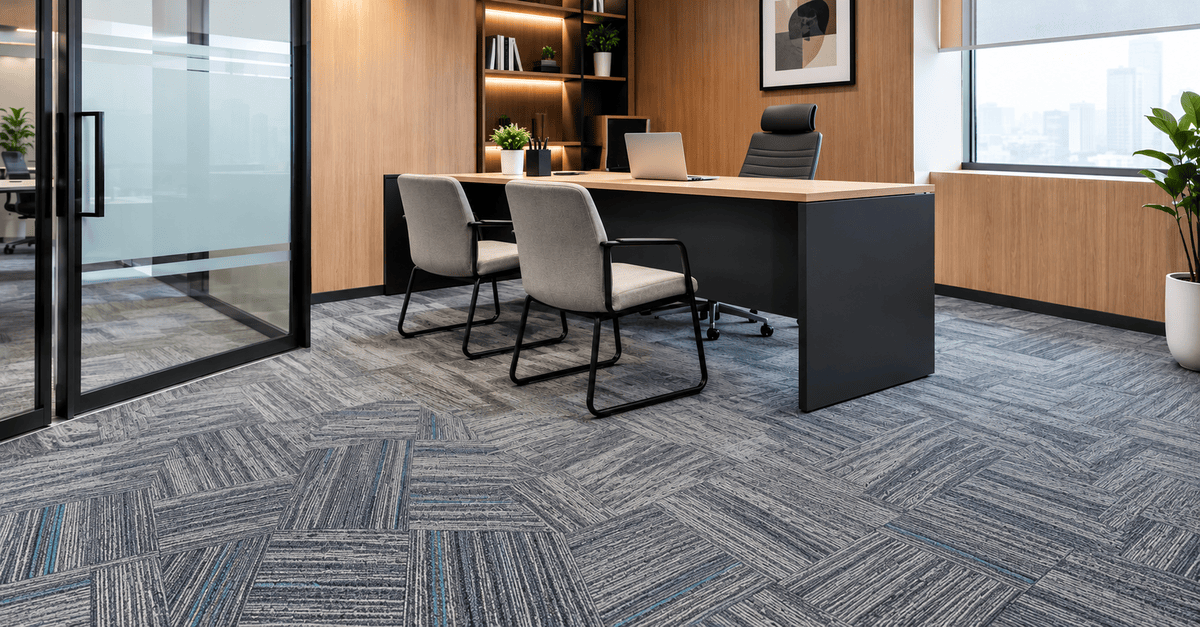
Which Flooring Is Best For Office Cabins?
When designing an office cabin, most people focus on furniture, lighting, wall colours, and storage. But have you thought about how much difference the flooring can make? The right flooring can make an office cabin look more professional, feel comfortable, and stay in good condition for years. Whether you're designing a manager's cabin, a director's…
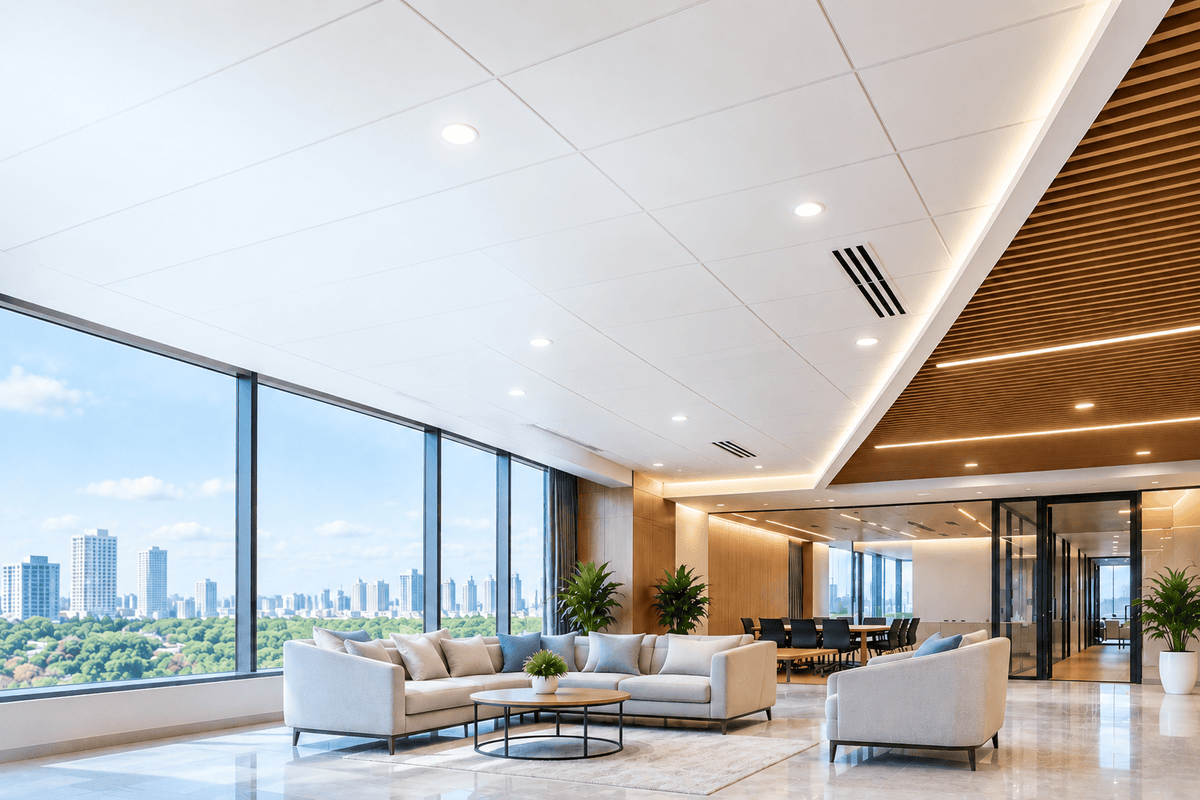
Best Ceiling Solutions In Delhi | CIPL Group
Choosing the best ceiling solutions in Delhi is an important step in creating functional, comfortable, and attractive interiors. Whether you are designing a corporate office, hotel, hospital, school, retail showroom, or residential property, the right ceiling system can improve the appearance of a space while helping manage lighting, acoustics, and building services. Today, architects, interior…